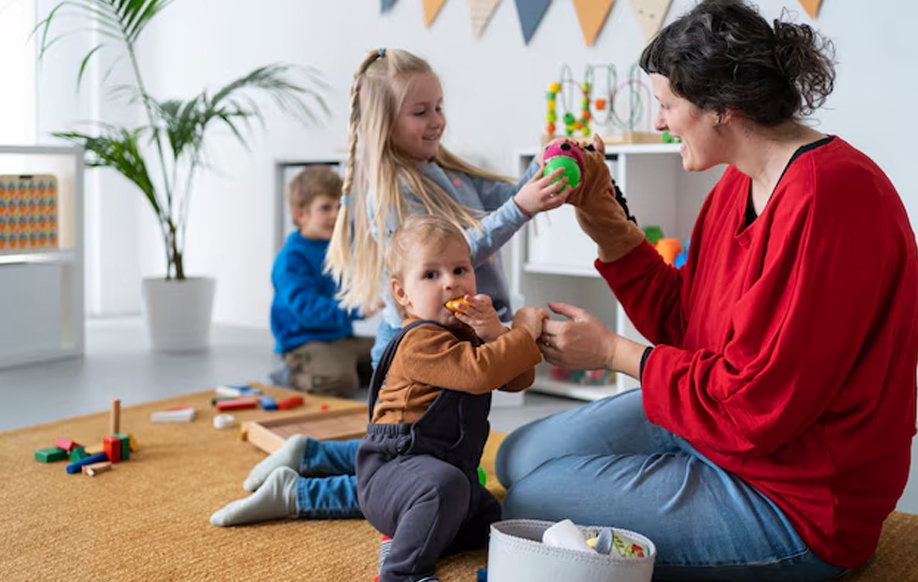
Picking a preschool rarely feels easy. Appearance does not always imply quality. It shows up in how children are treated and how the classroom feels. These signs are meant to guide parents as they decide what is right for their child.
Low Teacher-to-Student Ratios and Qualified Staff
Young children need attention more than instruction. With a large number of children under the same teacher, such needs are usually overlooked. A lower ratio gives each child the space to be seen. It also gives the teacher time to notice what changes day by day.
Preschools that value quality do not just hire anyone. The teachers must be trained according to the age group they are teaching. They ought to be aware of how young children reason and how to guide them without coercion. A preschool in Downtown Brooklyn with the same staff for long periods tends to offer greater stability. That helps both children and parents.
Clean, Safe, and Stimulating Environment
Classrooms should feel cared for but not overdone. They need not be immaculate. They need to be safe and calm. Toys should be accessible to children without any help. The materials in art should be available and not messy.
Walls should not feel too loud. There should be space to move freely. Corners should feel soft and safe. Classrooms should not be packed or confusing. Safety features should not be hidden. Families should be able to notice how children are protected just by observing.
Structured Yet Flexible Daily Schedule
Children do better when they know what to expect. That does not mean every minute is planned. A quality preschool keeps a routine that repeats across the week. Circle time usually appears once a day. Free play has space. Meals happen at familiar times.
Schedules need room for pause. Some children take time to adjust in the morning. Some need extra support before naps. A rigid schedule creates stress when things don’t go exactly right. Flexibility matters more than precision.
Strong Parent Communication and Involvement
You should not be guessing what your child did during the day. Good preschools do not leave parents out. They share updates that feel clear and personal. That might come through written notes or short chats at pickup.
Real involvement means more than attending events. It means knowing that your thoughts are heard. It means you are welcome to ask questions without feeling like a problem. Teachers who listen to parents usually listen to children too. That connection carries across the classroom.
Play-Based Learning with Academic Components
Play is not just for fun. It is how children learn at this age. A strong preschool lets children build skills through real activities. That means using toys with intention and planning activities that bring learning into the room.
Letters and numbers appear naturally. Counting blocks or sounding out animal names during a story builds academic readiness. But it never feels like a test. The goal is to make learning part of play rather than separate from it. That balance makes it easier for children to stay curious.
Positive Social-Emotional Climate
Children remember how they felt more than what they did. That is why the emotional tone matters so much. Teachers should speak calmly and notice emotions early. They should not wait for behavior to spiral out of control before stepping in.
Preschools that support emotion do not rush reactions. They slow things down. They help children name emotions and communicate them safely. When mistakes happen, they use them as opportunities to teach, not to punish. Inclusion should be part of the room, not just a poster on the wall.
Proper Licensing and Accreditation
Preschools in New York must meet licensing standards. That includes health reviews and safety checks. But the best programs often go further. They look for other ways to be accountable.
Accreditation is not required, but it shows effort. It shows that the school does not simply emphasize the minimum. Ask about the preschool’s licenses or reviews, in case you are not aware of them. A strong school will explain everything without hesitation.
Closing Thoughts
Families often feel overwhelmed during the preschool search. That is normal. But knowing what to look for makes the process easier to handle. These signs help you notice what is real and what is just decoration.
Visit the schools in person. Stand in the space. Watch the way teachers speak to children. Ask yourself whether the room feels calm. Those quiet signs will tell you more than any website ever could.
At Little Scholars Daycare, our classrooms reflect these same values. The rhythm is calm. The care is steady. We focus on building genuine relationships with children and families. Visit us and see what a thoughtful preschool actually looks like.
Featured Image Source: https://img.freepik.com/free-photo/full-shot-teacher-watching-little-kids-learn_23-2149389934.jpg