You’ve created the PreK spreadsheet. You’ve added several lovely backpacks and “first day of school” outfits to your online shopping. Now is the moment to step foot inside a new preschool and ask the questions, so you can genuinely visualize what the day-to-day would be like. But what Pre K questions to ask while applying to a New York center? Open houses, whether it’s your first or seventh, may be daunting. You’re attempting to see beyond the smiles and optimistic energy to see if this is a good fit. That’s why we compiled this handy list of things to ask while visiting a daycare center. With these questions, you’ll be secure in the small details while selecting your child’s home away from home. And as participants in your child’s growth and development.
Why Asking the Right Pre-K Questions Matters for New York Parents
A parent wants what’s best for their children, so asking the right Pre K questions will connect many different things critical to making the best educational choice. Thus, once he or she (them) have connected these things all together, they’ll be much more likely to get less worried about their children. Having Pre K questions to ask encourages involvement from the start of the classroom session, which helps to improve the support system for families.
Preschools such as Little Scholars NYC promote overall development by instilling confidence, fostering language development, teaching early numeracy, and, most significantly, allowing children to enjoy their childhood via meaningful play and STEM experiments.
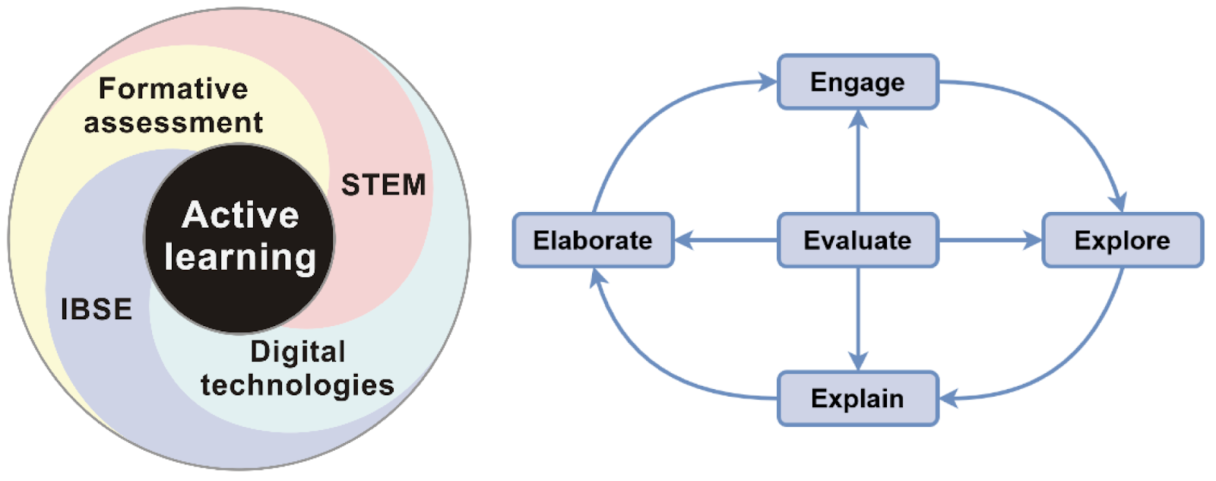
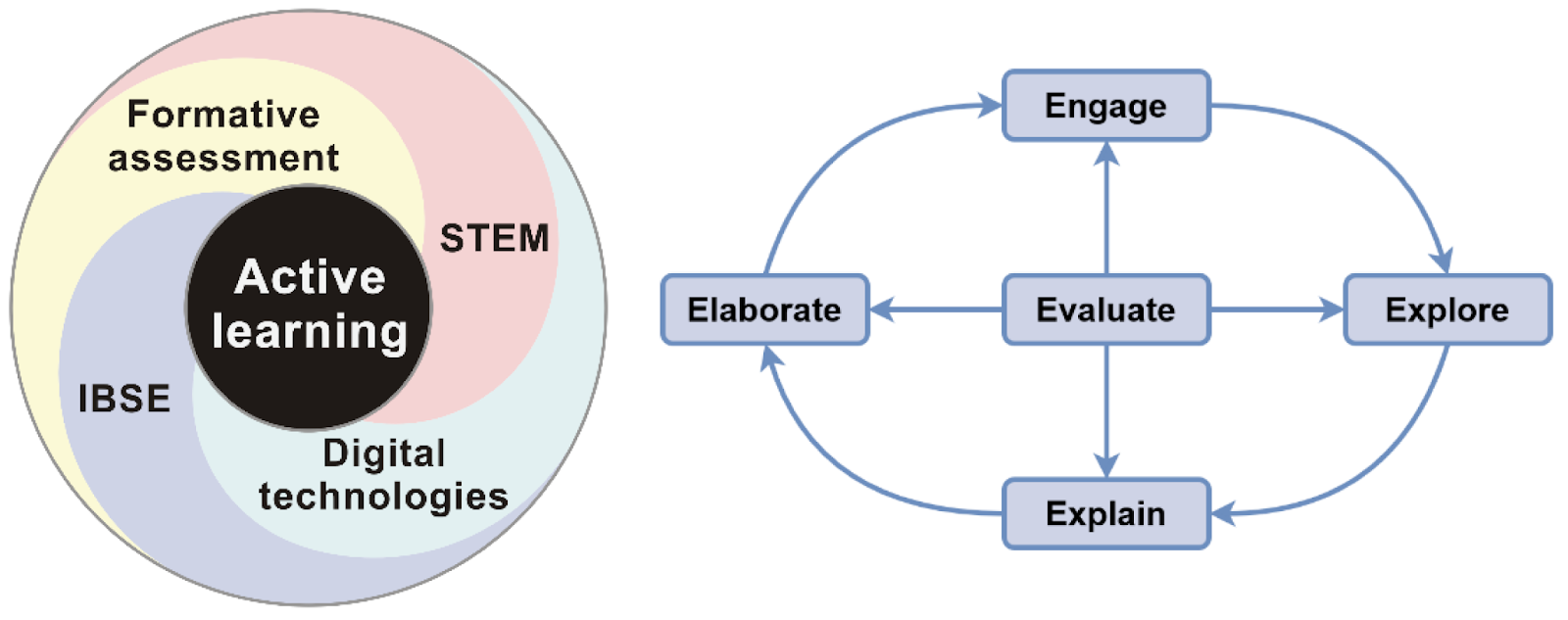
Look for a curriculum that uses a multimodal model to address all child-centered learning domains, including social-emotional, cognitive, language, physical, and creative. By focusing on academic preparedness, the curriculum should provide children with the abilities they need for lifetime learning.
Essential Pre-K Questions to Ask During NYC Tours
You’ll begin your tour with a parent teacher meeting with the director, who will provide an overview of the school and allow you the opportunity to place Pre K questions to ask directly. You will be given a pamphlet that details school hours, before and after school alternatives, tuition fees, holiday and closure schedules, and curriculum, among other things.
Little Scholar NYC encourages learning about how the program manages admissions. This determines how readily families may submit applications and begin the process.
Curriculum & Learning Approach
The assessment of the curriculum and learning approach permits us to examine the appropriateness of the pedagogical methods and their respective pacing in terms of the students’ development. Below are three perspectives:
- What curriculum do you follow? Asking about the learning curriculum on a preschool interview can help parents understand the teaching approach and whether it aligns with their child’s learning style and developmentally appropriate needs. It ensures the program fosters growth in key areas like social, emotional, and cognitive skills.
- Are there any enrichment classroom routines available? It’s an added bonus if a preschool offers additional enrichment activities outside the traditional classroom for children to acquire different skills and education. In addition to the base curriculum, some preschools might offer additional NYC pre-k programs like Spanish classes.
- How long do children spend outdoors? Playtime is crucial for a child’s development and spending time outdoors is just as essential as classroom learning. Playing outside allows children to explore their environment and is beneficial to their physical health and development. Prioritize a program that encourages outdoor activities.
The three factors, which are together, curriculum structure, enrichment availability, and outdoor, give a full view of how well a program is and how much it supports holistic early childhood development.
Teacher Qualifications & Communication
Most pre-schools are private. In New York, accreditation by the National Association for the Education of Young Children (NAEYC) is voluntary and subject to stringent requirements. All preschool teachers must hold a degree in early education, and all equipment must match their standards.
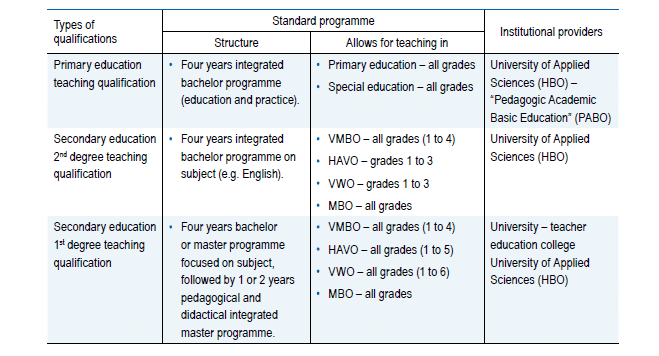
Due to financial constraints, several preschools are unable to obtain accreditation. These include application costs and money for regular upgrades to equipment, toys, and so on [1]. It is an institutional problem rather than a parental one. Parents confirm that the institution of their choice is legitimate to address.
How does the preschool deal with negative behavior? Are there timeouts? Do teachers intervene or allow youngsters to resolve disagreements on their own? Is their teacher communicating well? This is an important topic since some educators believe that the method employed in class should be practiced at home.
Social-Emotional Support
Assessment of a preschool’s rules, employee skills, and intervention structures paves the way for parents to arrive at the conclusion if the place is diversity-friendly, self-regulation promoting, and capable of dealing with behavioral and developmental issues effectively. A planned, clear-cut tactic towards social-emotional learning (SEL) gives the impression of being ready instead of having to ‘solve problems.’
| Evaluation Question | What This Assesses | Why It Matters |
| How do you handle challenging behavior in the classroom? | Existence of formal behavior management frameworks, staff training, and consistency in disciplinary practices | Predicts classroom stability, emotional safety, and the program’s reliance on proactive vs. punitive strategies |
| Do you admit children with special needs? | Institutional capacity for inclusion, accommodations, and individualized support | Indicates whether the preschool can meet diverse developmental and regulatory needs |
| What social-emotional learning (SEL) framework do you follow, if any? | Use of evidence-based SEL models or curricula | Reflects intentional emotional skill development rather than incidental instruction |
| How are emotional regulation and conflict resolution taught? | Instructional strategies for self-control, empathy, and peer interaction | Supports long-term emotional resilience and interpersonal competence |
| How do teachers identify and respond to emotional distress in children? | Staff observation skills and intervention protocols | Reduces risk of unmet emotional needs and escalating behaviors |
| How is teacher communication with parents handled regarding behavioral or emotional concerns? | Transparency, documentation, and collaboration practices | Enables early intervention and alignment between home and school environments |
| What staff training do educators receive related to child psychology or behavior management? | Professional development depth and relevance | Correlates with staff competence in managing complex emotional and behavioral situations |
When an institution practices clear behavior policies, inclusive practices, SEL integration, and structured teacher communication, it shows the ability to handle the emotional development of a large group of people.
With the help of these elements caregivers can tell the difference between the NYC pre-k programs that simply react to challenges and the ones that are structurally designed to prevent, support, and adapt to the challenges.
How Little Scholars NYC Supports Pre-K Readiness
Little Scholars NYC utilizes a readiness-centered approach that equips kids with the skills that are required for and expected in the formal schools- academic, behavioral, and social. The planning of the instruction puts stress on early literacy, numeracy foundations, executive functioning, and participation in the classroom skills while being very careful to keep the kids at a suitable pace for their age. In the case of its Brooklyn and Manhattan centers, school readiness is viewed as a gradual development, thus making it possible for the kids to move to kindergarten with the feeling of having good confidence and strong background.

Content Why Math Starts Before KindergartenFun and Effective Math Activities for Pre-K StudentsWhat Should You Look for in Preschool Activities?How Little Scholars NYC Builds Math Confidence Through PlayHands-On Learning with Real MaterialsParent Tips: Bringing Math into Everyday MomentsMaking Numbers Fun and Natural Teaching young children through math activities does not have to be difficult. Parents … Pre-K Math Activities: Building Early Number Confidence
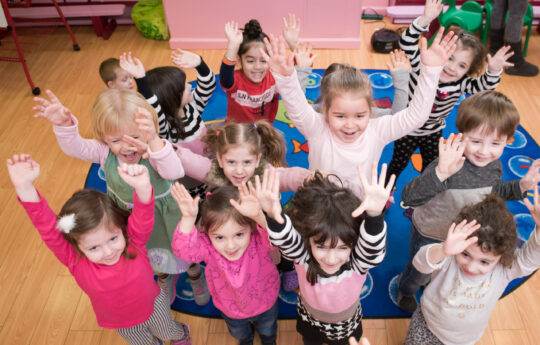
Content A high-quality early childhood education is one of the most crucial things you can do to set up your child for success. As a parent, it’s only natural to wish the best for your child. If parents want to provide their kids this sort of education, the 3-K and Pre-K (UPK) programs are fantastic … The Importance of 3-K and Pre-K (UPK) Programs and State Funding for Early Childhood Education
Play-Based and Whole-Child Learning
At Little Scholars NYC, learning through play is organized and results-oriented, thereby supporting the simultaneous development of cognitive, physical, social, and emotional aspects. Each of our activities through play are designed to facilitate problem-solving, language acquisition, active collaboration, and self-regulation via intentional play scenarios instead of passive instruction. This whole-child Pre-K perspective is in line with evidence-based early childhood education practices.
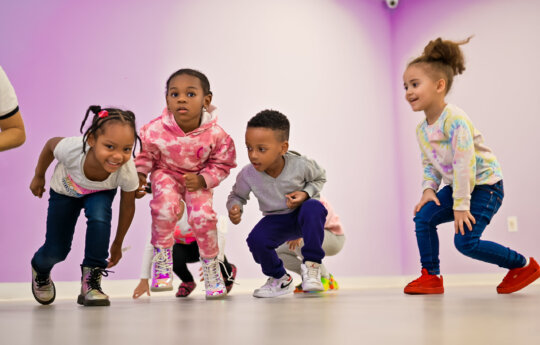
Content The Essence of Active Games for ChildrenPhysical DevelopmentCognitive GrowthSocial Skills EnhancementEmotional Well-beingIndoor and Outdoor Game VarietiesFun Outdoor Games for KidsIndoor Active Games for ToddlersThe Little Scholars Approach to Play-Based LearningEnsuring Safety and Quality in Active PlayJoin the Little Scholars FamilyRelated Insights The Essence of Active Games for Children At Little Scholars Daycare, our focus … Active Games: Unleashing the Power of Play
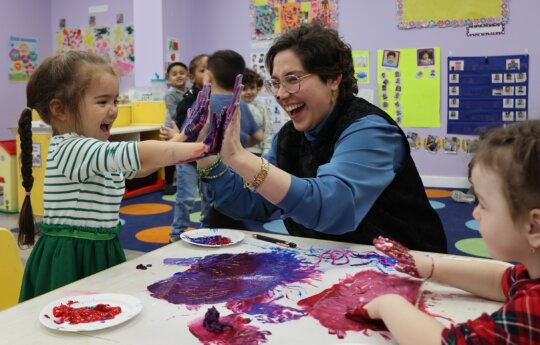
Content Understanding the Balance: Screen Time vs. PlaytimeStrategies for Balancing Screen TimeTools and ResourcesDaycare: Encouraging Active Play Over Screen TimeConclusionRelated Insights As we navigate the complexities of modern parenthood, the question of how to balance the kid’s screen time with active play emerges as a common thread of concern. It’s a balancing act that many … Balancing Screen Time and Playtime
Safe, Clean Environments in Brooklyn & Manhattan
At Little Scholars NYC, a learning environment is built around safety, hygiene, and spatial design, thus facilitating children’s healthy development. The NYC health and licensing requirements for classrooms are strictly followed. Regular sanitation procedures, age-appropriate materials, and secure facilities are some of the ways that contribute to the maintenance of classrooms in NYC. These standards are consistently applied to all locations, which makes the space reliable, accountable operationally, and stable for early learning.
Tips for NYC Parents Comparing Pre-K Options
The process of evaluating Pre-K alternatives in New York City necessitates considering various models that function under diverse regulatory and financial mechanisms. Pre-K programs differ in the authorities that administer them, the ways they are financed, the curricula they adopt and implement, the qualifications of the teachers they employ, and the requirements they have to meet. Let’s compare them:
| Pre-K Option | Governance | Cost and Eligibility | Benefits |
| DOE Pre-K (Public Schools) | NYC Department of Education | Free; NYC residency and age eligibility required | Standardized curriculum, certified teachers, fixed school-day schedule, limited flexibility |
| Pre-K at Community-Based Organizations (CBOs) | DOE-funded, privately operated | Free; same eligibility as DOE Pre-K | Smaller settings, variable facilities, curriculum aligned with DOE standards |
| Private Preschools like Little Scholars NYC | Privately governed | Tuition-based; eligibility set by provider | Greater curricular flexibility, smaller class sizes, enrichment-focused programming |
| Universal Pre-K (UPK) Extended Day | Mixed providers | Free core hours; paid extended care | Combines free Pre-K with optional wraparound services |
Choosing a Pre-K option in New York City is not so much about finding the “best” program that everyone agrees upon but rather about selecting the institutional structures that align with family values and child requirements. Variations in supervision, teaching consistency, accommodating schedules, and additional services can make a big difference in the daily life of a child and their growth. Using the criteria that are most important to them, the parents will be able to make their decision based on the actual conditions rather than on mere assumptions or advertising.
Conclusion
Thoughtful inquiry covers everything from curriculum and enrichment opportunities to teacher qualifications, social-emotional support, and a safe learning environment, guaranteeing that your child will flourish both academically and socially. Little Scholars NYC employs a play-based, whole-child method in its Brooklyn and Manhattan locations, combining child-centered learning, and personalized daycare attention to get your kids ready for a smooth transition to kindergarten with confidence.
Don’t wait. Book a parent teacher meeting and check out one of our programs. Get to know our teachers. And witness personally the way we give support to little ones’ learning, their being curious, and their having fun in discovering.
-
Little Scholars at Quentin Road – 52 Quentin Road, Brooklyn, NY, 11223
-
Little Scholars at Neptune Avenue – 448 Neptune Avenue, Brooklyn, NY, 11224
-
Little Scholars at Avenue U – 4123 Avenue U, Brooklyn, NY, 11234
-
Little Scholars at West End Avenue – 104 West End Avenue, Brooklyn, NY, 11235
-
Little Scholars at West 1st Street – 1502 West 1st Street, Brooklyn, NY, 11204
-
Little Scholars at East 18th Street – 631 East 18th Street, Brooklyn, NY, 11226
-
Little Scholars in Chelsea – 600 6th Avenue, New York, NY, 10011
-
Little Scholars in Downtown Brooklyn – 345 Adams Street, Brooklyn, NY, 11201
FAQ
What questions should parents ask during a Pre-K tour?
During a preschool interview, parents ought to inquire about the curriculum, enrichment activities, and teacher qualifications to determine whether the school meets their desires regarding the development of their children. Also, place Pre K questions to ask about the ways of communication and the level of parent involvement to get a clearer picture of how the school collaborates with families.
How do I evaluate a Pre-K classroom environment?
Take note of classroom setup, safety aspects, and availability of learning resources. Pay attention to participation, nice interactions between teachers and children, and practices that help both solo and group learning.
What should I ask about daily routines and curriculum?
Inquire about the way the timetable distributes learning, playing, and nature or relaxation periods. Specify which early childhood education standards and classroom routines are being adhered to and what methods are employed to monitor the child’s development.
How can I understand a teacher’s approach to discipline?
Ask for behavior management strategies along with emotional regulation support. Watch how the teacher interacts with the child to determine if the methods used are consistent and supportive.
What signs show a Pre-K program is high quality?
High-quality programs consist of a regular schedule, a well-trained team, and a curriculum that is based on scientific evidence. The environment of the classroom should promote active participation, teamwork, and growth in cognitive, social, and emotional areas.
What questions help evaluate safety and cleanliness?
For Pre K questions to ask, Inquire concerning sanitization practices, emergency protocols, and adherence to NYC health and licensing regulations. Pay attention if the safety measures are regularly observed during your visit.
How do NYC parents compare different Pre-K programs?
The factors which parents must look into and measure up one with the other include cost, location, schedule flexibility, curriculum, and enrichment offerings. Informed and objective choices can be made by carefully looking at staff credentials, class size, and inclusion practices.
References
- https://www.qahe.org/article/the-importance-of-accreditation-services-for-pre-schools-worldwide/
- https://www.mdpi.com/2227-7102/12/10/686
- https://www.researchgate.net/figure/Teaching-qualifications_fig1_334724348