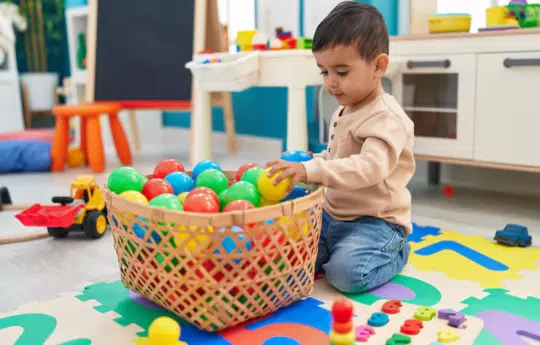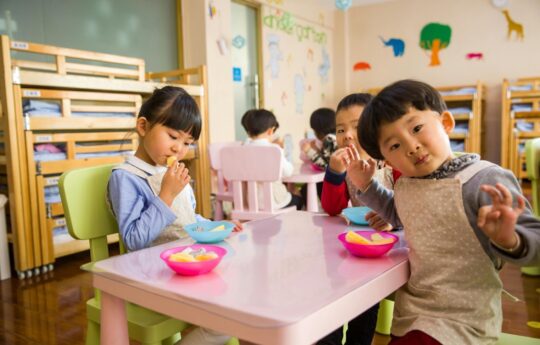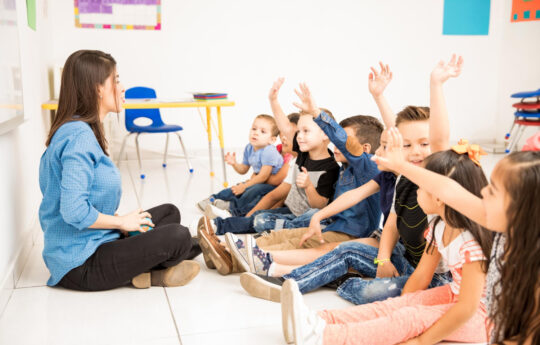

The first day of preschool brings change that feels big for both the child and the parent standing at the door. There is excitement and worry, along with the feeling that everything is suddenly moving faster than expected. Parents wonder whether their child is prepared to take this step or whether they should have done more. Those are ordinary thoughts, indicative of your caring. The quicker you do the right things, the easier it will be to transition between the two of you.
At reputable preschools in Ditmas Park, we think preparation begins well before the first time the door opens.
Building Independence Skills at Home (6 to 8 Weeks Before)
Preschool introduces a level of independence that can feel unfamiliar if your child has never practiced these moments at home before. Small changes and daily responsibilities are some ways you can help your child feel confident. Learn to go to the bathroom, and then learn to wash your hands on your own. Let them wear shoes and a jacket, however long it may take them. Give brief instructions and let them do it to the end. Ask them to tidy up after play so they know how to finish what they start carefully.
These skills build confidence that shows up on the first day of school. Your child will walk in already knowing they can do simple things without help. These moments of success create emotional strength. That power provides your child with the means with which to feel stable when everything in his or her surroundings is new.
Social and Emotional Readiness
Your child will soon enter a space filled with other children and adults they do not yet know. It can be a very powerful change if they have not been having social moments outside the house. Prepare them by offering them a chance to wait their turn or discuss their favorite things with someone. Play games with little or no waiting or pass toys back and forth with siblings or friends. Talk about feelings using clear words that match what they are actually feeling inside. If they feel sad or upset, help them speak that clearly without shutting down or walking away.
You can also begin practicing short separations in safe settings so your child gets used to being away from you. Try leaving them with someone in the family and going on a little errand. Such times help your child realize that separation is not dangerous and that you never miss. Social comfort grows when children learn what to expect.
Establishing Preschool-Friendly Routines
One of the best ways to support your child is to set a home routine that reflects the rhythm of a preschool day. Begin with a regular bedtime where the children sleep sufficiently until the morning. A morning routine that would involve brushing teeth, dressing, and having breakfast without rushing or skipping any steps. You need to schedule the eat and sleep times together daily so that your child can begin to develop the natural rhythms of the day. Keep weekends steady, too, so routines feel normal and not just for school days.
Children rely on patterns that feel safe and steady. When home life mirrors school life, your child feels less surprise and more comfort once preschool begins. That comfort becomes a strong foundation that supports learning and social growth.
What to Pack and Prepare for the First Day?
The night before preschool begins can feel overwhelming unless you keep the plan simple and focused on what matters most. Get a transparent bag for clothes to change into, so they are easily located if needed. Your child’s clothing must be such that they can dress themselves independently, so that they, too, will be proud to dress themselves, even after playing or visiting the bathroom. Bring something that your child already has back at home so he or she will be part of lunchtime. Add a water bottle that they can open without help, and label every item in the bag clearly with their name.
You may want to include a soft toy or photo from home that brings calm during quiet moments. These little details have meaning that your child understands without even having to be said. Some carefully selected pieces will make your child feel like you are holding them even when you are out of the room. Packing with care tells your child they are not alone.
Easing Separation Anxiety for You and Your Child
Morning, letting go may be accompanied by a lot of emotions despite weeks of discussion and preparation for the first day. Your child will be seeking out ways to react. A short goodbye ritual helps create calm during this moment. Try a simple sentence like see you after snack time followed by a hug and a wave. Repeat it every morning so it becomes familiar and steady. Do not creep out when they are not paying attention. It might be less difficult at the moment, but it can produce more fear than comfort in the long run.
Stay calm during the goodbye, even if your heart feels heavy. Believe in the teacher and let your child develop new relationships in his or her own way. If you feel unsure, talk to the staff so you are not holding that feeling alone. Connection helps parents, too, and trust grows slowly through small shared wins each day.
Final Thoughts for Parents
All children develop at their own pace, and that pace does not indicate success or failure. There are those who come in smiling, and those who take weeks to feel at home. Both paths are normal, and both lead to growth. Be receptive to your preschool staff and request updates or advice where necessary. Bring home what is successful to have your child’s support system replicated at school. At Little Scholars Childcare Center in Ditmas Park, we believe trust is built together with the parent, not placed on just one side.
The transition into preschool is not just your child’s journey. It is also yours. With the right steps taken early, you both walk into that room ready.
Featured image source: https://img.freepik.com/free-photo/little-kids-playing-toys-learning-center_53876-139555.jpg