The toddler years are full of significant milestones. Along with a slew of exciting developments comes another critical component of development: learning to experience and express emotions.
Emotions for toddlers can be as strong as they are in any youngster, but expressing and managing them may take a bit longer to mature. Understanding your toddler’s big feelings and how they express them allows you to support them as they learn to cope with the ups and downs of growing up.
Why Toddler Emotions Feel Big — The Science Behind It
Toddlers have strong emotions, yet they sometimes struggle to articulate them. We all have strong feelings from time to time, and your toddler is no exception. As your child becomes more active and self-sufficient, they will want additional assistance with the emotional life of the toddler. When toddlers are unable to express their anger or sadness, they may experience what some refer to as a ‘tantrum’.
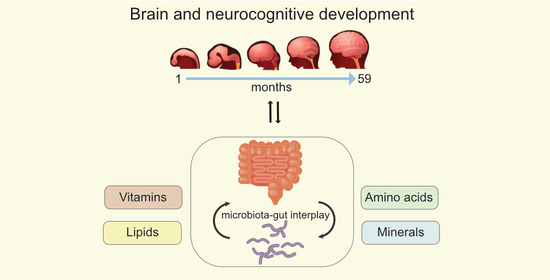
Studies on neurodevelopment have pointed out that in the course of early childhood, the brain areas linked with emotional strength and control are not yet fully developed; among such brain regions, the limbic system, which is mainly responsible for emotions, gets matured earlier than the frontal regions which control inhibition and help in verbal expression [1].These behavior patterns helps to understand that the toddler emotions experiences very strongly but at the same time they are not able to put them in words.
Key Stages of Toddler Emotional Development
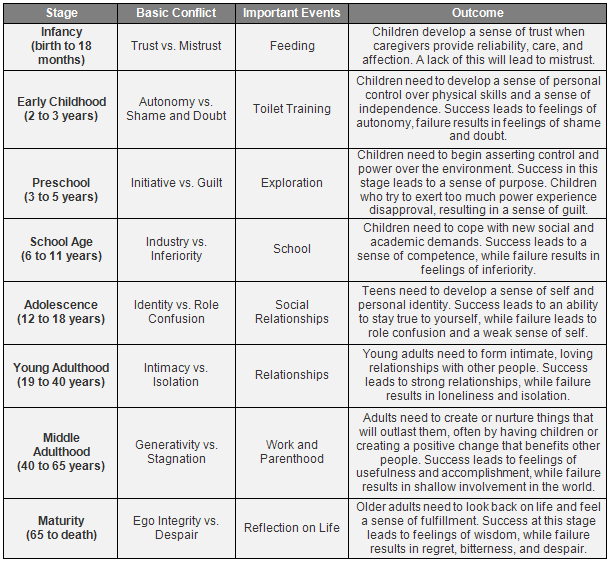
During toddlerhood, the fast toddler emotional development is more or less dictated by the child’s developing language and self-regulation skills. Child development studies have found out that infants with the support of their caregivers and through interactions become able to distinguish their big feelings and control them, thus setting the stage for a future social and educational success [2]. To clarify:
- 1-2 Years Old: At this stage, toddlers are learning to express themselves but have limited language to describe feelings, which can lead to intense emotional reactions and tantrums. Caregivers can support them by naming feelings, modeling responses, and providing reassurance as they grow in independence and exploration.
- 2-3 Years Old: Between ages two and three, toddlers become more socially aware and begin engaging with peers, which brings both excitement and emotional challenges. Supporting them with emotional vocabulary, simple choices, and routines helps them communicate and develop regulation skills as independence increases.
Avoid tantrums by offering them suitable selection – would you rather dress in pajamas first or toothbrush first? Your little one will feel important and cherished, and he/she will also be able to exercise decision making.
It is essential that you also take deep breaths, demonstrate how to handle people, and teach them how to feel and communicate emotions safely. Little Scholars has covered a multitude of science experiments for each stage:

Content Why Science Matters in Early LearningSimple and Engaging Pre-K Science ExperimentsLittle Scholars NYC: Building Curiosity Through ExplorationSafe and Fun Classroom ExperimentsConclusion: Raising Curious Thinkers Any science experiment for preschoolers might be an area where the kids do not entirely understand the scientific ideas but this is nevertheless a great method to start the building … Pre-K Science Experiments: Inspiring Curiosity Through Play
Content Why Math Starts Before KindergartenFun and Effective Math Activities for Pre-K StudentsWhat Should You Look for in Preschool Activities?How Little Scholars NYC Builds Math Confidence Through PlayHands-On Learning with Real MaterialsParent Tips: Bringing Math into Everyday MomentsMaking Numbers Fun and Natural Teaching young children through math activities does not have to be difficult. Parents … Pre-K Math Activities: Building Early Number Confidence
How NYC Parents Can Support Toddler Emotions
Toddlers have not yet mastered the ability to control their emotions and actions which is why they need adult support during stressful or frustrating situations. Toddler emotions regulation and routines give toddlers the security of knowing they are safe, recognized, and aided in their attempts to cope with big feelings. The following are some of the best suggestions:
| WAYS to support social and emotional development | |
| 1. Cuddle and rock your child. | Creates a close physical bonding and helps them learn trust. |
| 2. Listen and respond to your child. | Helps them learn to communicate with others. |
| 3. Be warm andresponsive. | Shows them how to be kind and a good friend. |
| 4. Help express emotions through words. | Gives them a way to express frustration besides crying, screaming or hitting. |
| 5. Encourage askingfor help. | Let them know they can turn to you when they’re scared or unsure. |
| 6. Calm them when upset. | Offer a hug or a soothing object, like a favorite blanket, to help them learn calming methods. |
| 7. Model good behavior. | Help them learn to work through conflict by showing how it’s done. |
| 8. Give them some responsibility. | Assign chores like putting away dirty clothes to build independence and confidence. |
To sum it up, with the help of caregivers who react in a calm and consistent manner, toddlers slowly acquire the ability to understand what will happen and how to deal with difficult times. In the long run, co-regulation techniques and unchanging daily routines will together lower emotional stress and facilitate the growth of self-regulation traits in children that they will use throughout the entire period of early childhood.
How Little Scholars NYC Builds SEL Daily
Little Scholars NYC merges social-emotional learning (SEL) with daily teaching methods through thoughtful teacher-led activities implanted throughout the school day. SEL is not a standalone subject; it is a perpetual framework that underlines regulation for the emotional life of the toddler, communication, peer interaction, and classroom engagement.
Teachers implement the same routines, organized playing, and attentive helping to aid children in the identification of feelings, building their self-consciousness, and conducting social emotional learning for toddlers in a manner that suits their development stage.
Play-Based SEL & Caring Teachers
SEL development is facilitated by teachers at Little Scholars NYC through play-based learning experiences that are meant to support and develop cooperation, empathy, and emotional expression. Educators keep showing the kids how to communicate respectfully, identify big feelings, and regulate emotions while helping them with interactions and teamwork.
The teachers observe and stage the situation purposely so that they can apply the same SEL strategies to the different kids with varying levels of development. The relationship between teacher and child where care is given is the basis for the classroom environment where secure attachment, emotional safety, and effective co-regulation are present.
Safe Environments in Brooklyn & Manhattan
The classroom environment at Little Scholars NYC in Brooklyn and Manhattan is designed to be deliberately conducive to emotional security and positive social interaction. The combination of predictable routines, clearly defined areas of learning, and age-appropriate materials fosters the feelings of safety, support, and self-confidence in the children during the whole day.
The surrounding conditions and early childhood psychology support the daily SEL instruction and give children the opportunity to practice emotional regulation, peer collaboration, and independent decision-making in a structured and nurturing environment.
Conclusion
When caretakers consistently give co-regulation, emotional communication, and expected schedules, kids slowly but surely get to know the proper ways of dealing with their feelings – frustration, excitement, and change, etc. The social emotional learning for toddlers learned in these early years become the basis of the strong relationships, readiness for school, and lifetime emotional resilience. Our Brooklyn and Manhattan centers are the perfect places for toddlers to develop their communication skills and self-esteem, daily.
Check out our Toddler Program to learn about the ways Little Scholars NYC fosters 2 year old emotional development through deliberate SEL activities. You may schedule a tour or come to one of our campuses to feel and see our approach and know how we collaborate with parents during these critical early years.
FAQ
What emotions do toddlers commonly experience?
It is typical for toddlers to go through a lot of different emotions for toddlers such as happiness, frustration, rage, excitement, fear, and sorrow and to react strongly. Since their regulation abilities are still maturing, the emotions can change rapidly and be overpowering.
How can parents support toddler emotional development?
Parents can assist toddler emotional development by identifying feelings, reacting with composure, and offering steady schedules. Parents’ warm and responsive relations give toddlers a sense of safety during the latter’s learning process of emotions.
Why do toddlers have tantrums?
A child’s outburst is the result when a two-to-three year old has very big feelings but does not know how to express them and is not yet able to control them. It is a normal reaction to the challenge of development, not a deliberate act of misconduct.
How can parents teach coping skills?
Coping skills can be demonstrated by parents through their deep breathing, use of relaxing words, and the exhibition of their problem-solving techniques. By consistently acting in this manner during emotional instances, infants gradually get the idea of self-calming.
What does healthy emotional expression look like at age 2?
By the time the child is two, expressing his/her emotions in a healthy manner means using simple words, making gestures, or looking for adult’s help to convey feelings. Intermittent emotional expressions are still considered to be the normal part of growing up, particularly at times of change or when a child is tired.
How does SEL benefit toddlers?
Social emotional learning for toddlers fosters the growth of personal awareness, understanding of others’ feelings, and controlling of emotions in the children. Strong interpersonal connections and adapting to communal teaching settings are the benefits of such skills.
How can NYC parents create calm routines in small apartments?
NYC moms and dads can set up relaxing rituals through regular timetables, noiseless changes, and specific spots for different activities. The regularity is more important than the area and it gives the little ones the confidence to be in that place.
Research
- https://pubmed.ncbi.nlm.nih.gov/40867177/
- https://www.zerotothree.org/wp-content/uploads/2022/10/Supporting-Childrens-Self%E2%80%90Regulation.pdf