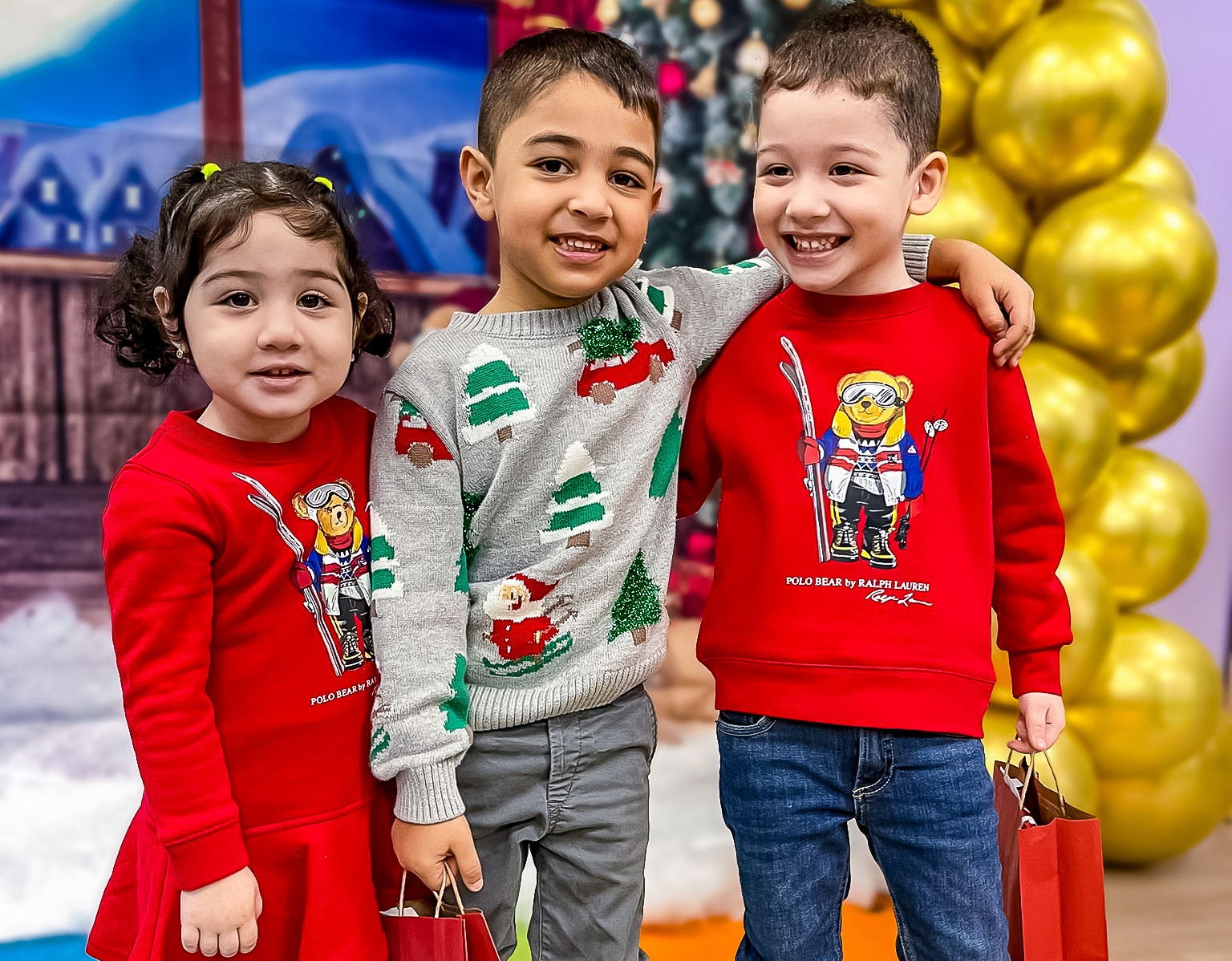
Winter is a joyous season because people of all religions, cultures, and races celebrate numerous holidays. We spend time with family and friends, practice our faith or culture, exchange gifts, and enjoy special delicacies and treats. This time of year, particularly at schools can make some children feel uneasy or excluded. This concern is amplified by what families see shared on social media, where holidays receive disproportionate attention.
Additionally, many federal employees with nonstandard schedules or rotating shifts say schools’ holiday displays can unintentionally make their family traditions harder to follow.
There are educational benefits to teaching about the United States’ different cultures. But, not only for multicultural all inclusive December holidays, parents must be inclusive and avoid giving youngsters the notion that one group of beliefs is more important or relevant.
Why Multicultural December Holidays Matter for NYC Families
Children in our public schools represent a wide range of religions, cultures, and traditions. Members of the same ethnic or religious group do not always celebrate the same Christmas day. They also do not commemorate them in the same way. Many preschool-aged children, being multidenominational or multiracial, celebrate more than one festival or veterans day.
Researches carried out to design multicultural curricula assert that the children’s exposure to different cultural viewpoints from the very beginning enables them to understand others’ feelings better, reduces prejudice, and thus increases the number of good relationships among the children as they are able to see numerous cultural practices and personalities mirrored [1]. To the extent, incorporating cultural December holidays celebrations and discussions into preschool programs intentionally by teachers, children learn about different customs and at the same time their cultural identity and self-esteem get stronger.
Overview of December Global Holidays
Multicultural all inclusive December holidays offer excellent opportunities to teach about culture and their historical importance. During the winter holiday season, we celebrate:
| Holiday | Calendar Reference | Observance | Context |
| Diwali | Varies (Hindu Lunar Calendar, usually Oct–Nov) | 5 days | Festival of Lights, celebrated by Hindus worldwide; date changes yearly. |
| Hanukkah | Varies (Hebrew Calendar, 25 Kislev) | 8 days | Jewish festival of lights; dates shift yearly relative to Gregorian calendar. |
| St Nicholas Day | December 6 | 1 day | Celebrated in many European countries; children receive small gifts and treats in shoes or stockings; honors St. Nicholas, a historical figure known for generosity. |
| Winter Solstice | December 21 | 1 day | Astronomical event marking the shortest day of the year in the Northern Hemisphere. |
| Ramadan | Varies (Islamic December Calendar, next alignment in winter: 2030) | 29–30 days | Month of fasting, prayer, reflection for Muslims; dates shift each year. |
In-person school events should center on more than one boxing day. To avoid student discomfort, do not put children on the position by asking them to explain their own practices or observances, or to bring religious objects to class for discussion.
Winter Holidays Around the World (Child-Friendly Explanations)
Winter is a season of light, joy, and celebrations all over the world. The special holidays of many cultures and religions are during this time, each with its own traditions, tales, and methods of uniting families. Knowing about these holidays makes it easier for kids to understand and accept the world’s diversity while being part of the thrill and cozy feel.
- Diwali: Diwali is a Hindu winter holiday celebrated for five days, usually in October or November. Families light symbolic candles and lamps to celebrate the victory of good spirit over evil spirit and to welcome happiness and new beginnings to their home.
- Hanukkah: Hanukkah is a Jewish holiday that lasts 8 days. It happens in December, but the exact dates change each year. During Hanukkah, families light a special candle holder called a menorah, play games like dreidel, and enjoy special foods. It celebrates a time long ago when a bit of oil miraculously lasted 8 days in the temple.
- Winter Solstice: The Winter Solstice happens on December 21 and marks the shortest day of the year. It’s an astronomical event that people around the world have celebrated for thousands of years. Some families celebrate with lights, gatherings, or special traditions to welcome the return of longer, sunnier days in the midtimes.
- Ramadan: It is a month-long holiday for Muslims that includes fasting, prayer, and reflection. The dates change each year depending on the calendar. Families use this time to focus on being kind, helping others, and growing closer to God. Ramadan ends with a big celebration called Eid, which includes feasting, gifts, and gatherings.
Winter holidays around the world enlighten the kids on the values of sharing and being part of a community. If you’re curious, we have covered the best Christmas activities:
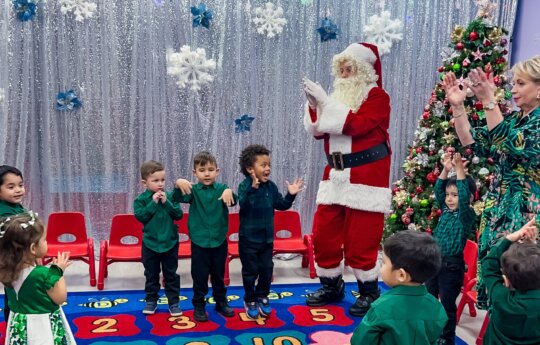
Content Why Christmas Games Matter for Preschoolers in NYCEasy Christmas Games for Preschoolers (Small-Space Friendly)Fine-Motor Holiday GamesSanta Games for KidsChristmas Songs Preschoolers LoveCreating Meaningful Family TraditionsHoliday Learning at Little Scholars NYCPlay-Based Holiday Activities in Our CentersSafe and Nurturing EnvironmentConclusion To save you time planning, the Little Scholars teachers compiled a list of the
Content Create a Christmas playlistTake the kids to the kitchenMake your own ornaments and presents. GamesEmbrace the holiday spirit The children’s happiness throughout the season is unparalleled. As you count down the days before Christmas Day, there are even more enjoyable games and kid-friendly craft projects to try out when it comes to amusing Christmas activities … TOP Christmas activities with kids
Activities for Teaching Global Traditions
Educating kids on worldwide customs and practices will allow them to cultivate cultural consciousness, empathy, and tolerance of diversity right from the beginning. The exploration of winter holidays around the world, cuisines, music as well as traditions will make the learning process interactive plus unforgettable. Children will be able to immerse themselves in various cultures through the use of practical activities, narrations, and physical movement, hence growing their social, emotional, and cognitive abilities at the same time.
| Description | Skills Developed | Suggested Age | |
| International Music and Dance | Play music from different cultures and encourage children to move or dance to the rhythms. | Gross motor skills, listening, coordination | 3-6 years |
| Storytelling Circles | Read or tell folktales and holiday stories from various countries, encouraging children to act out parts. | Language, imagination, social-emotional skills | 3-6 years |
| Global Cooking Experiences | Prepare simple, safe dishes inspired by an international day (e.g., cookies, rice cakes, or fruit treats). | Fine motor skills, following directions, cultural appreciation | 4-6 years |
| Cultural Dress-Up Day | Children explore clothing or costumes from different cultures and role-play traditional activities. | Empathy, self-expression, social interaction | 3-6 years |
| Holiday Sensory Boxes | Create sensory boxes with items representing global traditions (spices, fabrics, ornaments). | Sensory development, curiosity, fine motor | 3-5 years |
Through engaging activities children not only learn about world cultures but also develop some basic skills around their ages. Such experiences, for example, build curiosity, empathy, and understanding of different cultures which gradually help children to realize both the uniqueness and the common values of the whole world. Furthermore, when these activities are immersed in the daily learning process, teachers will have the opportunity to form a diverse classroom where the background of each pupil is acknowledged and appreciated.
Wondering what to prepare for a holiday gift? Little Scholars has some ideas:

Content Лучшие подарки для детей и семьи на это Рождество Это время приближается. Дети пишут и переписывают свои рождественские списки, вы пытаетесь подготовиться заранее, и у вас есть несколько человек, для которых нужно делать покупки. Если вы не из тех людей, которые покупают подарки для детей и членов семьи в течение всего года, велика вероятность, … Top Gifts for Kids and Family This Christmas
How Little Scholars NYC Supports Inclusive Holiday Learning
Little Scholars NYC applies research-based and developmentally appropriate practices (DAP) to fuse inclusive holiday learning into the early childhood curricula. The activities in the Toddler Program are set up in such a way that they are culturally responsive, and in this way the children get to meet and experience the different cultural or religious traditions.
The teachers help the children learn through the means of creative play, storytelling, music, and project-based working together. Our programs are designed to ensure that the families are involved, and that they have the opportunity to share their cultural knowledge, take part in a legal public holiday held in the classroom, and get to know the inclusion activities.
Tips for Parents in New York: Teaching Respect and Inclusion
In a multicultural city like New York, helping young children develop respect and inclusion is essential for healthy social and emotional growth. Research in early childhood education emphasizes that children learn inclusive behaviors through guided experiences, intentional exposure to diverse cultures, and reflective conversations with trusted adults. When parents actively engage in culturally responsive practices at home, children build empathy, broaden their worldviews, and feel more confident interacting with peers from different backgrounds.
Checklist for parents:
- Model respectful language and behavior: Demonstrate curiosity about differences and avoid any assumptions or stereotypes.
- Discuss similarities and differences openly: Invite questions and talk through what makes each tradition unique and meaningful.
- Use diverse books and media: Read age‑appropriate books and watch programs that represent a variety of cultures and experiences.
- Encourage community engagement: Participate in inclusive events and activities that highlight cultural diversity in your neighborhood.
By incorporating these practices, parents help cultivate a household culture of respect and inclusion that aligns with evidence‑based principles in childhood education. For example, the National Association for the Education of Young Children (NAEYC) highlights that aligning and responding to children’s culture, valuing diverse experiences, and involving families in learning are core components of equitable and effective early learning environments [2].
Conclusion
At Little Scholars NYC, we are committed to creating inclusive, culturally responsive learning environments where every child’s heritage is recognized and celebrated. By integrating global holiday traditions, hands-on activities, and family engagement into our programs, we help children develop empathy and respect, while fostering very cognitive and social skills.
Discover how our evidence-based, developmentally appropriate approach can support your child’s growth and curiosity. Schedule a tour today or join our Preschool Program to see firsthand how purposeful play and inclusive learning make a difference for children and families in New York.
FAQ
Why is it important to teach preschoolers about different December holidays?
Teaching children about diverse December holidays helps them understand and respect cultural and religious differences. Early exposure to multiple traditions encourages empathy and reduces bias among peers.
How can schools teach about holidays without making children feel uncomfortable?
Educators should focus on multiple holidays, including labor day, rather than singling out one tradition. Children should not be asked to explain their personal religious practices or bring religious items as part of the discussion. Voluntary sharing from families who want to contribute can be a meaningful addition to memorial day. Consultation with school administration ensures all activities comply with policies and maintain inclusivity.
What are some child-friendly ways to explain global holidays?
Children can learn about holidays through storytelling, songs, and simple explanations about traditions. For example, Diwali is described as the Festival of Lights, while Hanukkah celebrates a miraculous event in the temple. The Winter Solstice can be explained as the shortest day of the year, and Ramadan as a time of fasting and reflection. Using age-appropriate language makes these concepts understandable and engaging.
How do hands-on activities support learning about global traditions?
Activities like music and dance, storytelling, and cultural cooking engage multiple senses while teaching children about traditions. They develop social-emotional, cognitive, and fine- and gross-motor skills simultaneously.
How does Little Scholars NYC integrate inclusive holiday learning?
Little Scholars NYC uses developmentally appropriate practices to embed Christmas holiday learning into the curriculum. Educators provide guided play, project-based experiences, and storytelling that reflect multiple cultural traditions.
What tips can parents use to teach respect and inclusion at home?
Parents can model respectful language, demonstrate curiosity about differences, and avoid stereotypes. They should discuss similarities and differences between traditions openly and use multicultural books and media.
Where can parents and educators find guidance on inclusive early childhood practices?
The National Association for the Education of Young Children (NAEYC) provides research-based guidance for culturally responsive teaching. Their recommendations emphasize valuing children’s cultural backgrounds and involving families in the learning process. NAEYC highlights that intentional inclusion strengthens social-emotional skills and human rights in early education.
References
- https://jurnal.uin-antasari.ac.id/index.php/jurnalaud/article/view/16277
- https://www.naeyc.org/resources/pubs/yc/jul2017/outdoor-play-child-development