
Every autumn in New York, we witness a natural art exhibit as leaves turn from green to yellow, then to brilliant reds, oranges, and purples. But what causes this transformation, and why does the timing and color of the show change year to year? We’ll discuss the science of fall colors – the chemical processes and conditions that drive the metamorphosis, as well as when we may anticipate to see peak fall color across the state this year. Read further!
Why Leaves Fall: Simple Science for NYC Preschoolers
It’s a technique to protect the trees and ensure their survival over the winter and beyond. During the winter, leaves fall. If the dead leaves remained on the trees and no new, functional ones grew in their place, the plants would be unable to absorb food.
Also, by the end of the summer, most leaves have been eaten by bugs or have rotted to some level, allowing them to start over. Turning a fresh leaf, if you will.
Some trees are called ‘evergreens’. This implies their leaves remain green all the time and do not fall off. The reason for this is because non-falling tree-like firs have a waxy covering called resin on their leaves to protect them. This implies that they do not freeze like other trees’ leaves when it becomes cold, therefore they do not require all of them to fall off and regrow before summer. Some fall off throughout the year, whereas semi-evergreen leaf free trees shed all of their leaves when it gets cold enough. If the winters are mild, they remain green.
The Science of Fall Colors (Explained for Young Learners)
When leaves are green, they function as organs for the tree. The green hue originates from a cell component called chlorophyll, which converts sunlight into carbohydrates that the tree can ‘eat’. As the weather cools and there is less sunlight for them to feed on, the remainder of the tree begins to absorb these sections of the leaves. It stores them in its roots over the winter. As the tree does this, the green chlorophyll is eliminated, revealing the hues in the leaves.
After a while, the first color to appear are yellow, followed by clear, displaying the stunning red-brown color palette that dominates the majority of the fall months.
Chemical vs. Seasonal Changes
When summer finally surrenders to autumn, trees see a great transformation in their surroundings. The length of the day is reduced, sunlight is less intense, and the temperature of the air is cooler. By altering their autumn leaf physiology and the colors they exhibit, trees are revealing their changing seasons. In every leaf, minute chemical modifications occur which result in the disappearance of green and the visibility of the warm fall colors.
| What Changes | What’s Happening Inside the Leaf | What Children Can Observe |
| Less sunlight | The leaf makes less food because there is less light to use. | Leaves slowly stop growing and look less bright. |
| Color chemicals appear | Yellow, orange, and red color chemicals become visible when green fades away. | Leaves change from green to yellow, orange, and red. |
| Leaf connection weakens | The leaf’s “stem glue” slowly breaks down. | Leaves loosen and eventually fall to the ground. |
The ongoing autumn is still a time when trees are dropping their leaves as a part of their last winter preparations. The process of changing leaves is one of the main ways trees combat the difficulties of cold months and still maintain their health. Therefore, watching leaves fall and participating in stationary science experiments gives us a very simple way to see the response of living organisms to seasonal and chemical changes in nature.
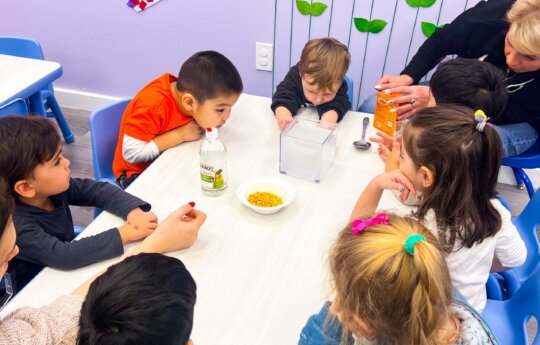
Additionally, we’ve covered Pre-K science experiments inspiring curiosity:
Content Experiment 1: Magic Milk Color SymphonyMaterials NeededProcedureLearning OutcomeExperiment 2: Rainbow in a GlassMaterials You’ll NeedSteps to FollowThe Science Behind ItExperiment 3: Invisible Ink with Lemon JuiceWhat You NeedMethodEducational AspectExperiment 4: Dancing RaisinsItems RequiredHow to Do ItWhat HappensConclusion: Little Scholars and Home ScienceRelated Insights Welcome to the exciting world of DIY science experiments for kids! … DIY Science Experiments for Preschoolers
What Happens After a Leaf Falls?
When a leaf drops to the earth, it does not complete its task, but rather, it still contributes to the recycling process of nature. For children’s delight: a falling leaf that has blown away by the wind may turn into food for maybe even up to hundreds of minute living organisms which in turn keep the soil healthy and rich in nutrients [1]. The whole procedure is prolonged, soft, and quite vital for the trees and the forests. To break it down:
| Stages | Decomposition and the Life Cycle of Trees |
| Leaves break down naturally | Rain, cold, and warmth help soften the leaf so it can slowly fall apart. |
| Tiny helpers get to work | Worms, insects, fungi, and bacteria eat small pieces of the leaf. |
| Nutrients return to the soil | As the leaf breaks down, it releases minerals like nitrogen and carbon into the ground. |
| Soil becomes richer | These nutrients make the soil darker and healthier for plants. |
| Trees reuse the nutrients | Tree roots absorb the nutrients to help grow new leaves in spring. |
Decomposition, leaf mould, the process of dying leaves turning into new life, aids in finishing the tree’s life cycle. A leaf that seems dead is in fact carrying out the forest’s new growth. This eco-friendly recycling arrangement sustains the trees’vigor, soil’s health, and nature’s equilibrium. It occurs from one season to the next.
Fall-Inspired Learning at Little Scholars NYC
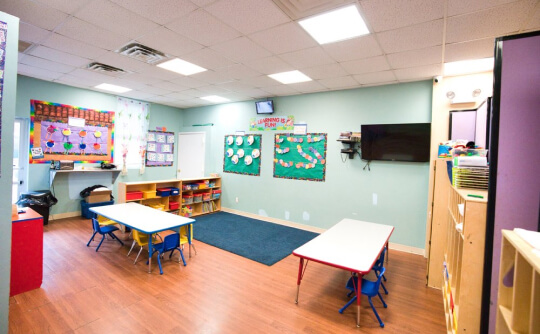
The Little Scholars NYC organization has put in place structured, play-based learning experiences that are influenced by fall and that integrate the seasons into the early childhood curriculum at different sites in Brooklyn and Manhattan. Our educators aid inquiry, scientific thinking, and cross-domain development in young children by using outdoor observations.
Bilingual teachings, through guided observation of leaf color changes, weather patterns, and plant life cycles, support vocabulary development, sensory engagement, and hypothesis formation, thereby aligning practice with research-based early childhood education frameworks that highlight the importance of holistic development and real-world application.
Center locations supporting fall‑inspired learning:
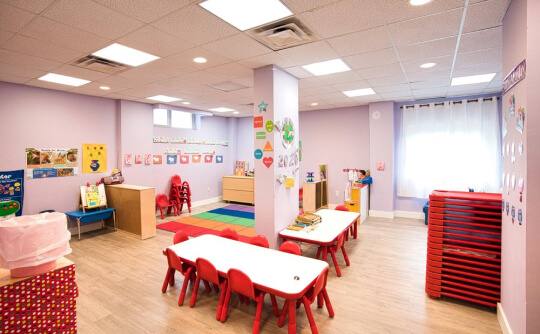
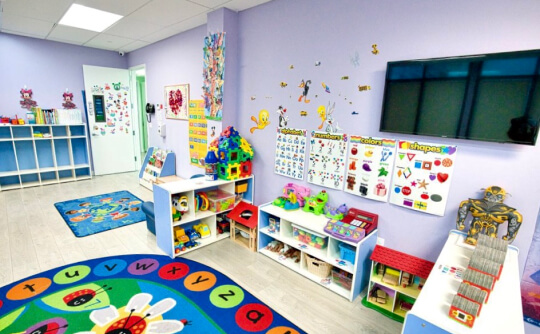
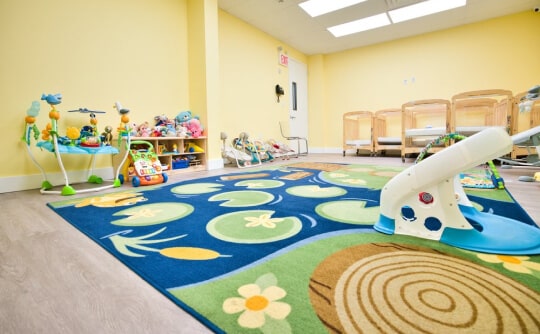
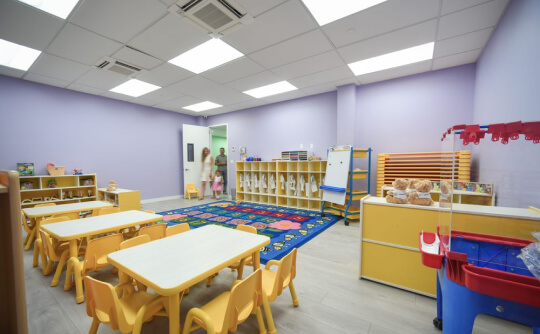

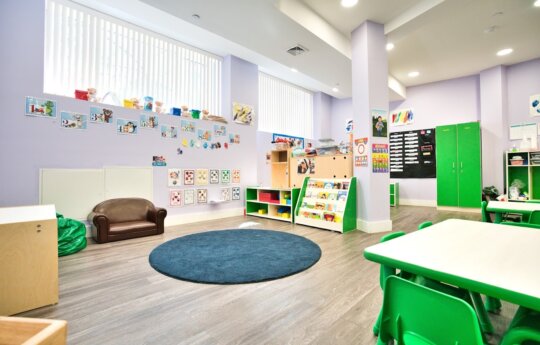
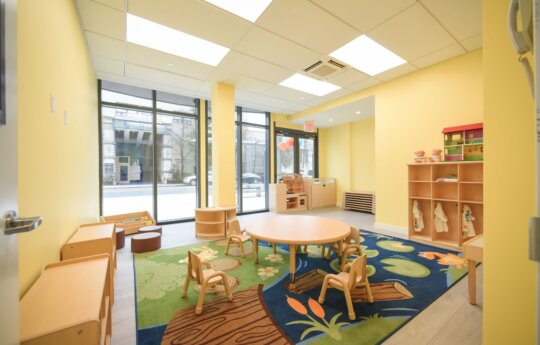
By situating learning within the seasonal context and accessible neighborhood green spaces, the approach of Little Scholars NYC supports cognitive, language, and emotional growth while fostering environmental curiosity and respect for the natural world.
Nature Walk Activities in Brooklyn & Manhattan
Seasonal nature walks are intentionally designed learning experiences that support developmentally appropriate practice (DAP) in early childhood education. During fall, outdoor environments in Brooklyn and Manhattan provide rich, real-world contexts for experiential learning, allowing children to engage with natural changes such as science of fall colors, temperature shifts, and plant life cycles [2]. These experiences align with inquiry-based models by encouraging observation, questioning, and exploration in authentic settings.
Explore top 30 easy science experiments tailored to parent-children commitment:
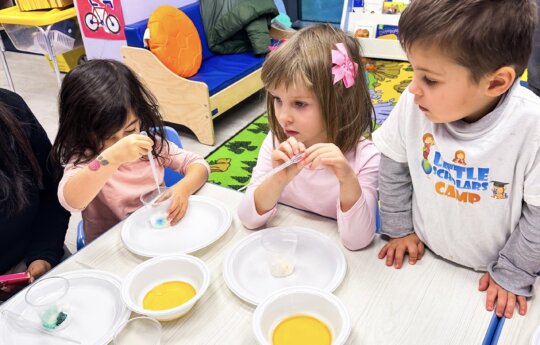
Content Why DIY Science Experiments at Home?DIY Science Experiments by Age (Toddlers 2–4, Preschool 3–5)Toddlers (2–4) Science ExperimentsPreschool (3–5) Science ExperimentsSafety guidelines for at-home science experimentsHow to engage kids during experimentsHow to engage kids throughout the experiment process:Resources: Science Experiments for KidsConclusion Science education lays the foundation for developing children’s critical thinking and problem-solving skills … TOP 30 Easy DIY Science Experiments for Kids
Pedagogical benefits of guided fall nature walks include:
- Cognitive development: Children practice classification, pattern recognition, and cause-and-effect reasoning by observing seasonal environmental changes.
- Language and literacy: Educators scaffold vocabulary acquisition through descriptive language, open-ended questions, and shared discussions about natural phenomena.
- Executive function: Structured walking routines support attention regulation, working memory, and self-control through turn-taking, and transitioning between activities.
- Social-emotional learning: Shared outdoor exploration promotes cooperation, emotional regulation, and a sense of connection to community spaces.
To conclude, science of fall learning is particularly effective in urban contexts, where intentional access to green spaces supports children’s physical health and emotional well-being while reinforcing environmental stewardship from an early age.
Conclusion
At Little Scholars NYC, fall-inspired learning is embedded into daily routines through outdoor observations, guided nature walks, and hands-on classroom activities that reinforce cognitive, language, sensory, and socio-emotional development. Children not only learn about chlorophyll, color changes, and decomposition but also develop curiosity, observational skills, and an appreciation for the environment in an urban context.
Schedule a tour at any of our Brooklyn or Manhattan locations to see how our research-based, play-focused STEM and nature programs bring the science of fall to life.
Learn more about our day-to-day curriculum, outdoor exploration activities, and how Little Scholars NYC nurtures environmental curiosity and holistic development.
FAQ
Why do leaves change color in the fall?
Leaves change color because the green pigment, chlorophyll, starts to break down as daylight shortens and temperatures drop. Chlorophyll is responsible for capturing sunlight and turning it into food for the tree, so when the tree stops producing food, the green fades away. As the green disappears, other pigments in the leaf, like carotenoids (yellow and orange) and anthocyanins (red and purple), become visible.
What role do chemical changes play in leaf color?
Chemical changes inside the leaf determine which colors we see in the fall. As chlorophyll declines, pigments that were always in the leaf but hidden become visible. Anthocyanins are produced in response to bright sunlight and cool nights, giving reds and purples their intensity. Carotenoids, responsible for yellow and orange, remain stable even as chlorophyll disappears.
How does the season signal trees to prepare for winter?
Trees sense seasonal cues like shorter days, cooler temperatures, and weaker sunlight. These signals trigger the breakdown of chlorophyll and the formation of an abscission layer, the “stem glue” that connects leaves to branches. Once this layer weakens, leaves are ready to detach and fall naturally. Preschoolers can notice autumn leaves falling from trees during a walk, linking environmental observation to science. This seasonal preparation helps trees conserve energy and survive harsh winter conditions.
Why do some trees keep their leaves all year?
Evergreen trees, such as pines and firs, retain their needles because of a waxy coating called resin. This resin prevents the needles from freezing or drying out in winter. Unlike deciduous trees, evergreens do not need to shed all leaves to conserve resources, although some may lose older needles gradually. Semi-evergreens may shed their leaves only during particularly cold winters. This teaches children that different trees have adapted to survive in diverse environments using different strategies.
What happens to leaves after they fall?
Autumn leaves become part of a natural recycling system, decomposing to enrich the soil. Tiny organisms such as worms, insects, fungi, and bacteria break down the leaves into smaller pieces. Nutrients like nitrogen and carbon are returned to the ground, supporting the next generation of plant growth. Observing leaf decomposition helps children understand tree life cycles, ecosystems, and the interconnectedness of nature. This also highlights the role of fallen leaves in keeping forests and gardens healthy.
How does decomposition help trees grow new leaves?
As leaves decompose, the nutrients released into the soil are absorbed by tree roots. Nitrogen, potassium, and phosphorus are especially important for building new leaves and supporting tree growth in spring. Children can see that what looks like a falling leaf is actually helping the tree prepare for new life. This process reinforces lessons about recycling and environmental stewardship. Teachers can integrate hands-on activities like leaf piles or observing worm activity to demonstrate decomposition in a concrete way.
What educational benefits do fall leaves offer for preschoolers?
Fall leaves provide rich opportunities for cognitive, sensory, and language development. Children can classify leaves by color, size, or shape, practice counting, and explore cause-and-effect relationships, such as why leaves fall faster on windy days. Descriptive vocabulary can be reinforced through discussions about textures, colors, and patterns.
How does Little Scholars NYC teach about fall colors and leaf science?
Little Scholars NYC uses play-based and guided learning activities to introduce children to the science of leaves. Educators organize outdoor observations and nature walks at Brooklyn and Manhattan sites to examine science of fall colors, weather, and plant life cycles. Classroom activities reinforce these observations with vocabulary-building, storytelling, and sensory experiments. Children are encouraged to ask questions and reflect on what they notice, linking real-world phenomena to scientific concepts. By situating learning in the seasonal environment, children experience inquiry-based science firsthand.
How are nature walks structured for young children?
Nature walks are designed to be developmentally appropriate and inquiry-based. Educators scaffold activities by asking open-ended questions, pointing out seasonal changes, and encouraging exploration of textures, colors, and leaf shapes. Walking routines include turn-taking, observing patterns, and reflective discussions, supporting executive function and social skills. Children practice classification, comparison, and hypothesis-making while engaging with real-world science. These walks integrate outdoor learning with classroom discussions to reinforce understanding.
Can children observe chemical changes in leaves directly?
While children cannot see chemical reactions like chlorophyll breakdown at a molecular level, they can observe the visual results of these changes. The fading of green and emergence of yellows, oranges, and reds illustrates chemical processes in a tangible way. Educators can guide children to notice patterns over time and relate them to temperature, sunlight, and fall season changes. Hands-on activities such as collecting leaves for color sorting or pressing can reinforce these observations. This approach bridges abstract science concepts with concrete experiences for young learners.
How does leaf science connect to environmental education?
Learning about leaves and decomposition teaches children about ecosystems, sustainability, and environmental stewardship. They understand that fallen leaves are not waste but an important part of nutrient cycles that support plant and soil health. Children also learn about the interdependence of organisms, from trees to worms and fungi. Engaging with nature fosters curiosity, empathy for living things, and respect for the natural world. Educators can extend this knowledge by creating leaf composting projects or observing soil health after decomposition.
References
- https://cdn.agclassroom.org/media/uploads/2016/08/15/ride_wildleafcycle_activitysheets.pdf
- https://www.naeyc.org/resources/pubs/yc/jul2017/outdoor-play-child-development