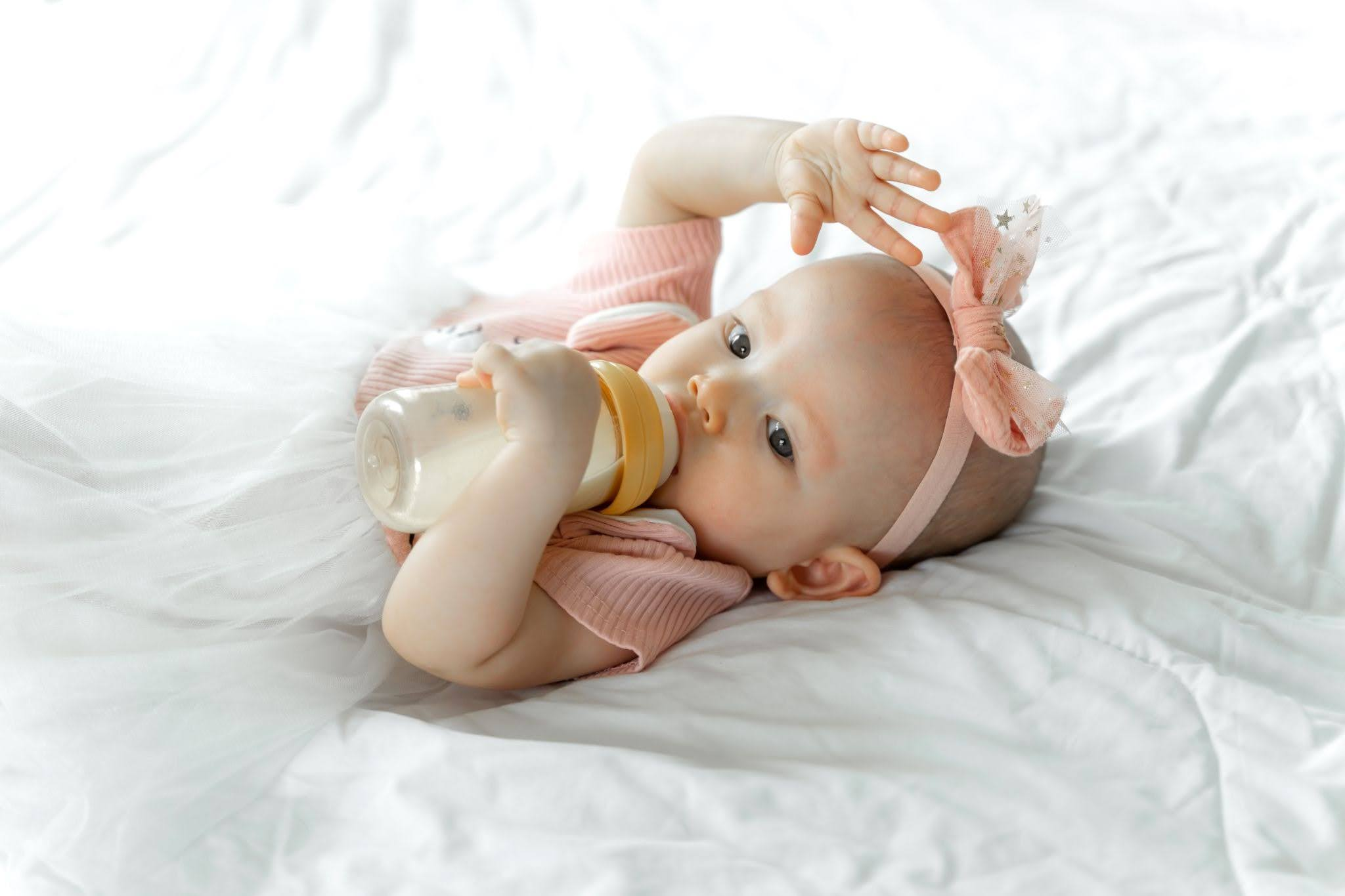
Every eco-conscious parent would ask what to do with baby bottles? The process of making personal environmental improvements but the resulting anxiety should not prevent you from taking action. Start moving toward your goals by achieving your first tiny goal. Your child will start doing environmentally friendly activities because they see you doing your sustainable activities.
We know that the arrival of a baby brings with it a lot of stuff, some of which may not be great for the environment. Parents require essential items to raise their children so we created sustainable options for the question of what to do with old bottles baby doesn’t use anymore and manageable improvements that parents can use across their parenting.
Why many parents keep bottles longer than they should
Parents who worry about safety and nutrition and convenience tend to keep using bottles with their children until their kids reach adulthood. Parents see used baby bottles as a feeding tool which helps them measure exact food amounts while preventing spills and making it easier to move between exclusive milk feedings and solid food meals.
Empirical research indicates that this perception reinforces continued bottle use, despite the child’s developmental readiness for cups and self-feeding by using feeding supplies [1].
Safety concerns that matter most
Can you reuse bottles for second baby? Parents use three main considerations to decide whether to stop using bottles for their children because they want to minimize choking hazards and avoid contamination and ensure proper milk flow. Evidence shows that prolonged reliance on used baby bottles leads to higher rates of dental caries and malocclusion and sweetened liquid consumption, which creates long-term damage [2].
Through understanding these risks and maintaining proper nipple hygiene and checking nipple condition, caregivers gain necessary information to decide when to stop bottle feeding.
When wear and tear becomes a problem
Nipples and bottle parts experience degradation from daily usage which results in leaks and inconsistent flow and creates choking risks. Studies indicate that damaged bottles compromise both hygiene and safety, and pediatric guidelines advocate phasing out bottle use by 12-18 months to facilitate cup drinking, support oral development, and reduce dependence on prolonged bottle feeding [3]. The safe developmentally appropriate feeding practices require continuous nipple wear monitoring and deliberate replacement.
Which old baby bottles can be reused
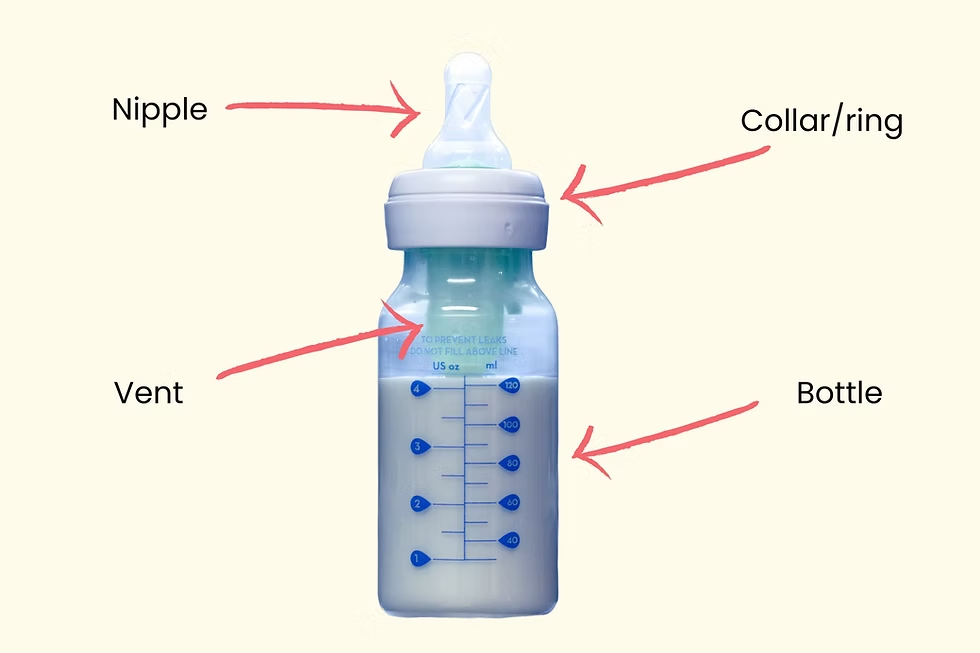
So, what to do with baby bottles? The baby bottle storage and transfer practices require parents to determine their safety for their children. Иottles themselves may remain usable for a second child if they are intact, free of cracks or discoloration, and properly sanitized.
The various components of the product except for the nipples and accessories possess specific limits for usage because their materials undergo degradation which affects both hygiene and flow consistency and structural integrity, thus increasing the possibility of contamination. Refer to the table that answers what to do with used baby bottles:
| Bottle Component | Reuse Guidance | Safety Considerations | Notes |
| Polypropylene or glass bottles | Can be reused if no cracks, scratches, or discoloration. | Inspect for chips or warping; sterilize before use. | Suitable for second child or stored as backup. |
| Nipples | Replace regularly, ideally every 2-3 months or when worn. | Worn nipples can tear, distort flow, harbor bacteria. | Use age-appropriate flow rates for the infant stage. |
| Rings and caps | Can be reused if intact and cleaned. | Check threading and seals to prevent leaks. | Avoid sharing with other households to reduce contamination. |
| Accessories (handles, sippy tops, liners) | Replace if showing wear or discoloration. | Worn components may trap milk or formula residue. | Single-use liners should not be reused. |
Safe reuse of what to do with old bottles baby doesn’t use anymore balances convenience with hygiene and developmental safety. Following these guidelines allows families to make practical choices without compromising feeding safety.
Reuse for a second baby
Used baby bottles that are structurally sound can be passed down or reused for a second child, provided thorough sterilizing protocols are followed. Glass bottles are more durable and less prone to chemical leaching than plastics, making them ideal candidates for reuse. The inspection process for plastic bottles requires thorough examination because micro-cracks develop over time, which creates bacteria reservoirs.
Reuse limits for nipples and accessories
Nipples and sippy tops and all other feeding accessories decline in quality at a faster rate than the used baby bottles themselves. The presence of wear signs through tears and thinning and discoloration and changes in flow rate shows that it is time to replace the items. The regular replacement of these components guarantees correct feeding practices while minimizing contamination hazards and helping children develop their proper feeding.
Which bottles should be discarded or recycled
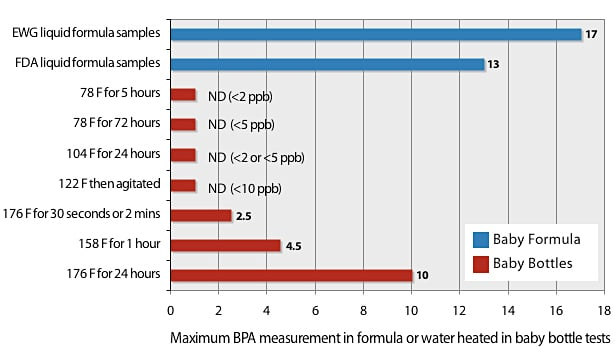
Can you recycle baby bottles? Research on infant feeding and material safety indicates that certain plastic bottles will experience chemical degradation through aging, which will result in the release of bisphenol-A (BPA) and phthalates because both “BPA-free” and other plastic materials will break down when their surfaces face damage or their contents face extreme temperatures [4]. The glass bottles provide safer long-term usage options which require users to discard any bottles containing cracks because those defects create harm.
Material type and recycling reality
Although most plastic bottles display recycling labels, their actual recyclability depends on the recycling capabilities of each local waste management system. Some curbside programs accept polypropylene and polyethylene bottles, but other programs need customers to deliver these materials to dedicated recycling facilities. Glass bottles become fully recyclable materials when users separate them according to color and ensure that no silicone or rubber components remain in the recycling process.
Why local rules change the answer
The recycling process for used baby bottles depends on two factors because municipal regulations and recycling infrastructure create different conditions for safe bottle recycling options. Special baby bottle plastics which are frequently used in various regions of the world face disposal challenges because standard curbside recycling systems do not accept these materials. Environmental responsibility requires families to contact local waste authorities for guidance on proper disposal methods which also helps prevent recycling contamination.
What parents can do instead of throwing everything away
For the question of what to do with old bottles baby doesn’t use anymore, parents don’t need to discard every used bottle or accessory immediately. The items can be kept for future use or creative repurposing or responsible recycling through appropriate handling. The method protects infant health while achieving a balance between safety and cost efficiency.
Practical Strategies:
- Inspect and sanitize: Check bottles and accessories for cracks, discoloration, or wear before storing. Sterilize thoroughly to prevent bacterial growth.
- Separate bottle storage: Keep reusable bottles, nipples, and rings in a clean, dry container away from sunlight and heat to maintain material integrity.
- Repurpose materials: Use intact bottles for water or snack storage for older children, or convert broken bottles into crafts, seed starters, or other feeding supplies.
- Label clearly: If storing items for future siblings, mark with the date of purchase or first use to track age and potential nipple wear.
- Recycle responsibly: Disassemble components and send eligible plastics or glass to local recycling programs rather than general trash.
By following these steps, parents can extend the utility of safe items, reduce unnecessary waste, and make intentional choices about which parts truly need replacement. The method for what to do with old baby bottles provides infant safety, enabling waste management.
Search for relevant childcare topics at Little Scholars NYC blog, here.
Content Introduction: Why Bilingual Early Education Learning MattersThe Benefits of Bilingual Learning in Early ChildhoodGlobal Communication SkillsDeep Understanding of Cultural DiversityStrong Learning AbilitiesClassroom Practices and Family EngagementOne Parent, One Language ApproachExpert Insights from Little Scholars EducatorsProfessional Training and Experience in Early Childhood BilingualismSafe and Supportive Learning EnvironmentsConclusion: Building a Foundation for Bilingual Learning How can … Approach to Bilingual Early Learning
Content Bullying Behavior in Early Childhood: How Does It Begin?Common Behaviors and Signs of BullyingPsychological and Social Factors Contributing to BullyingPreventing Bullying in Early ChildhoodEffective and Immediate Intervention StrategiesTips for Parents to Identify and Address BullyingCharacter Education and Social Skills TrainingSpecific Lessons and Activities to Promote Empathy, Respect, and KindnessRole-Playing and Other Interactive Methods to … Addressing Bullying in Early Childhood
Content SocializationSocial & Emotional DevelopmentPrepare for KindergartenStart a ScheduleAdd Time to Your DayContact Us Today Early childhood centers are designed to provide your child with all of the tools that they need to progress throughout their life — we focus on building their foundation. Though this has always been the case, there are still individuals … Benefits of Your Child Attending an Early Childhood Center
How this topic connects to infant feeding transitions
Besides answering what to do with old baby bottles, the process of transitioning infants from using bottles to drinking from cups represents an important developmental achievement which enables them to develop better oral-motor control skills and learn self-feeding and independent eating. The guide provides parents with information about safe bottle reuse items together with instructions on how to recycle and repurpose their used items. Proper planning ensures that infants maintain adequate nutrition while gradually learning new skills.
When families move from bottles to cups
The research shows that infants experience benefits when parents introduce cups to their babies at twelve months because their bottle-based nutrition starts to decrease during that time. Prolonging bottle use results in dental caries development and speech development delays and causes children to drink excessive amounts of sweetened liquids. Families who track their bottle usage and replace nipples when necessary and slowly introduce sippy or open cups help their children develop healthy eating habits while learning to control their food intake.
How daycare routines influence feeding choices
Daycare environments (e.g., directly in the Toddler Program) play a significant role in reinforcing feeding habits established at home. The trained caregivers implement their feeding schedule while they provide age-appropriate drinking cups to children and demonstrate safe drinking and self-feeding techniques.
Toddler Program
Courageous parents can achieve successful bottle-to-cup transitions through home practice alignment with daycare routines which include bottle replacement, cup introduction, and hygiene protocol implementation.
Conclusion: a simple decision tree for parents
The process of deciding what to do with baby bottles should remain simple. Parents should examine each bottle and accessory because they need to discard or recycle items that show cracks or discoloration or damage. The process should begin with developmental timing because children need to stop using bottles when daycare schedules begin.
Brooklyn families searching for assistance with infant feeding and safe daycare methods can visit Little Scholars locations that support the Nursery Program to observe practical techniques for bottle handling and cup training and daily activities. The approach guarantees both safe operations and developmental assistance during actual world application.
FAQ
What should parents do with old baby bottles?
Parents should inspect each bottle for cracks, weaning transition, discarding any that are damaged. Safe bottles can be sanitized, stored for future use, or repurposed responsibly.
Can you reuse bottles for a second baby safely?
If you’re wondering can you reuse bottles for second baby, intact bottles from a previous child can be reused if all parts are in excellent condition and properly exposed to sterilizing. Parents should replace worn nipples and any components showing signs of wear before use.
When should baby bottles be thrown away instead of reused?
Bottles should be discarded when they are cracked, warped, discolored, or have worn nipples that may harbor bacteria. Regular inspection helps prevent hygiene and safety risks for infants.
Can you recycle baby bottles in New York?
Some bottle components, like glass or certain plastics, can be recycled, but acceptance depends on local municipal regulations. Parents should check with their local recycling options to ensure proper disposal.
Should parents donate used baby bottles?
Donation is only safe if used baby bottles are in perfect condition, fully sanitized, and have never been damaged. Most organizations recommend new items to avoid health risks. Follow donation rules.
How do you store bottles you want to keep for later?
Store clean, dry bottles in a closed container away from heat and sunlight to maintain integrity. Label with purchase or first-use dates to track age and weaning transition over time.
What are the signs that bottle nipples or parts need replacement?
Replace nipples that are cracked, thinned, discolored, or have micro-tears, as these can harbor bacteria and affect flow. Regular bottle replacement ensures safe feeding and supports healthy transitions to cups.
References
- Cao, X.-L., & Corriveau, J. (2008). Migration of bisphenol A from polycarbonate baby and water bottles into water under severe conditions. Journal of Agricultural and Food Chemistry, 56(15), 6378–6381
- Gussy, M. G., Waters, E. G., Walsh, O., & Kilpatrick, N. M. (2006). Early childhood caries: Current evidence for aetiology and prevention. Journal of Paediatrics and Child Health, 42(1–2), 37–43
- Shu, J. (2023, July 3). From bottle to cup: Helping your child make a healthy transition. HealthyChildren.org.
- Tan, Y. B., Quah, P. L., Tan, K. H., Chan, D. W. K., Loy, S. L., Ong, C., Tan, C. N., Chia, M. Y. H., Chua, T. B. K., Yap, F., & Chua, M. C. (2025). Caregiver feeding practices for infants and toddlers and their eating behaviors in Singapore. Frontiers in Nutrition, 12, Article 1540031