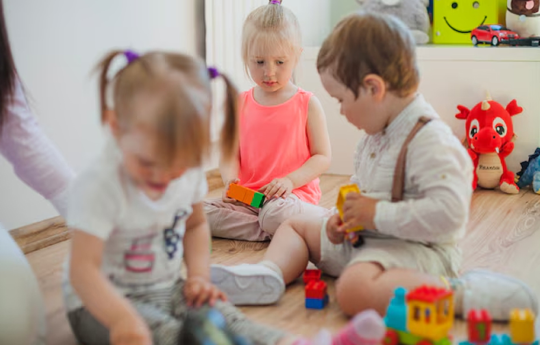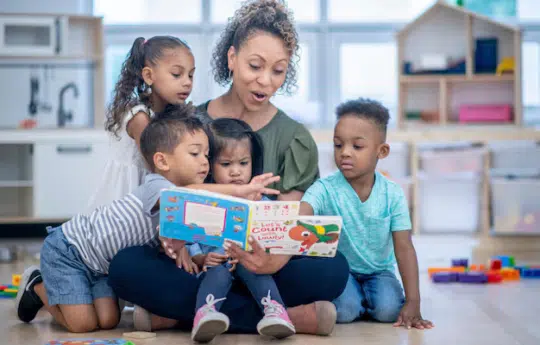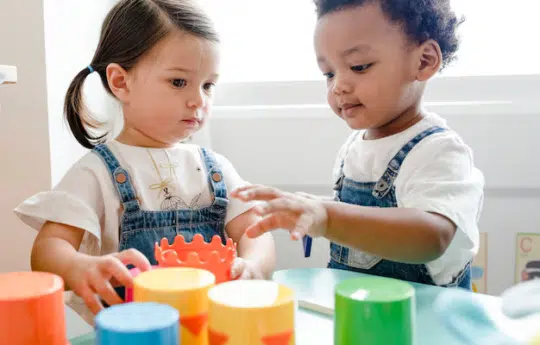
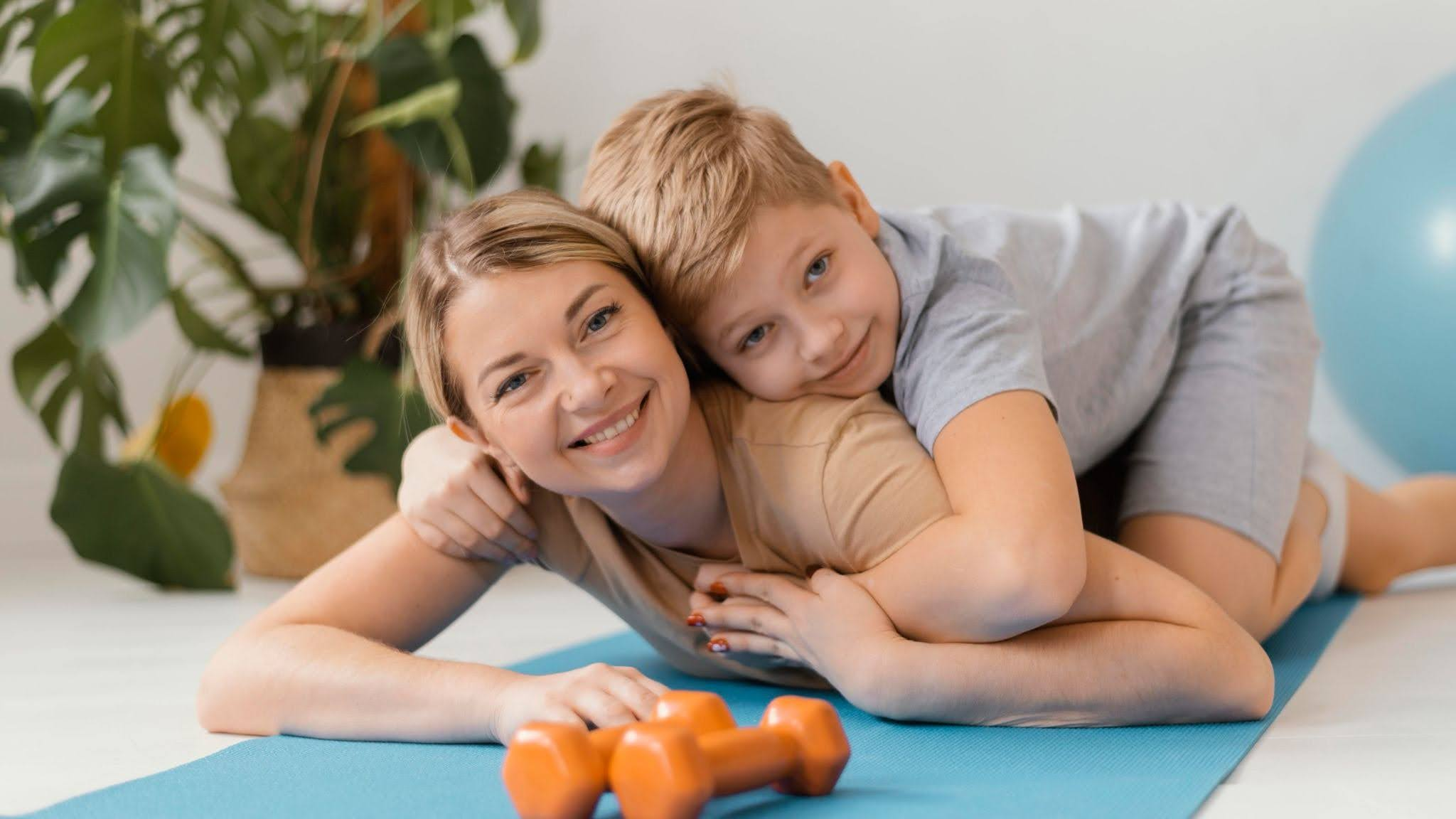
The work you do as a child care and early education provider creates significant impacts on development through their dietary habits and their exercise routines and their choices of healthy living practices. Multiple educational materials together with fun health activities for elementary students create a combination that teaches students about nutrition.
Your early education program or family child care center needs permanent healthy changes which require both planning and creative solutions to achieve successful results. Your children will learn about nutrition while you provide them with more chances to exercise and you will help them develop abilities which will enable sustainable healthy behavior throughout their entire lives.
Why healthy habits start earlier than many parents think
People develop family habits through the establishment of regular routines which they follow at scheduled times instead of their engagement in intense health programs. From an early age, children’s behaviors are shaped by the structure and consistency of daily experiences, including meals, physical activity, hygiene, and sleep. When children experience wellness activities for elementary students, they develop internal cues which help them understand how to behave and this process leads to their automatic adoption.
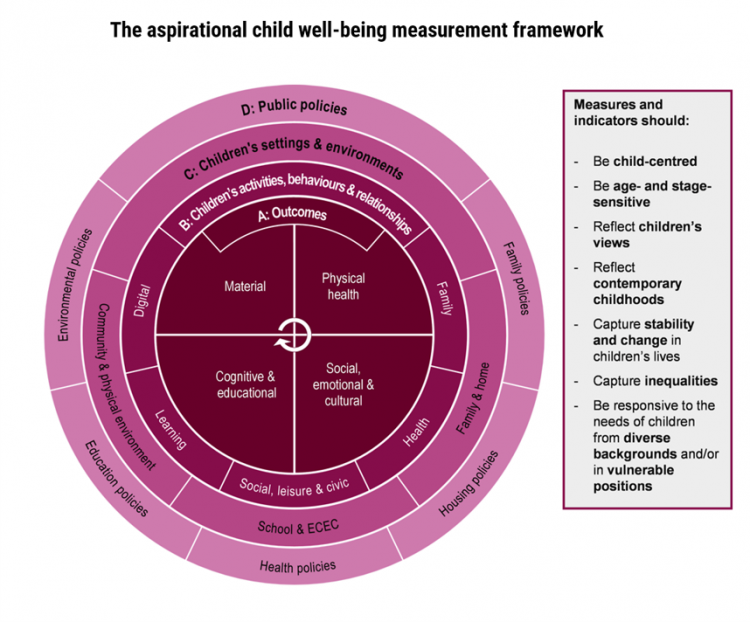
The implementation of daily routines which match development stages proves to be better for teaching permanent emotional wellness behaviors than the use of structured programs which occur at irregular times.
Daily routines shape long-term behavior
From an early age, children learn behaviors through repetition within familiar contexts. Daily routines which include mealtimes and hygiene practices create structured times that help children learn to predict upcoming events while they develop positive health habits. The process of repeating experiences throughout life creates automatic behavior patterns which establish the basis for permanent life practices.
Parents and educators can lead children toward positive results by integrating health and wellness activities for kids into their regular daily activities without needing any reminders.
Why consistency matters more than intensity
People need to practice their habits through consistent small tasks instead of trying to achieve their goals through both intermittent practice and intense work sessions. People who perform small tasks on a regular basis create automatic responses because these actions establish behavior patterns which become stronger through repetition.
The child development process requires regular and simple interventions which can become integral parts of health and wellness activities for kids because infrequent and demanding treatments fail to create sustainable results.
The combination of frequent schedule times and predictable screen-free play creates a framework that helps people establish healthy habits which will support their physical and cognitive and emotional growth throughout their lives.
If you’re curious, you’ll be linking a post on why field trips are essential for kids development:
Content 1. What qualifications do your teachers hold?2. How long have your teachers worked here?3. What is your teacher-to-student ratio during daily routines?4. How does your curriculum support learning each day?5. How do you support different learning styles?:6. What does a typical day look like from start to finish?7. How do you handle behavior guidance … 10 Essential Questions to Ask When Touring Preschools in Brooklyn
Which wellness activities work best for young children
Research in early childhood development emphasizes that integrating both health and wellness activities for kids supports holistic growth. Movement-based active play enhances gross motor skills, balance, and coordination, while also promoting executive functioning, attention, and emotional regulation. Neuroscientific studies show that moderate-to-vigorous physical activity stimulates prefrontal cortex development, which underpins self-control and working memory [1, 2]. Refer to the table:
| Activity Type | Examples | Developmental Benefits | Purpose / Focus |
| Movement & Gross-Motor Play | Running, climbing, yoga, hula hoop games, obstacle courses. | Improves coordination, balance, motor planning; supports attention and executive function; promotes social skills. | Physical health, motor skill development, executive function, social interaction. |
| Calm-Down & Mindfulness Moments | Guided breathing, gratitude exercises, yoga poses, sensory awareness. | Enhances emotional regulation, self-soothing, attention control, prosocial behavior. | Emotional self-regulation, stress management, focus. |
| Gardening / Nature-Based Play | Planting seeds, compost exploration, seasonal garden projects. | Encourages responsibility, fine motor development, sensory engagement, environmental awareness. | Sensory exploration, responsibility, environmental literacy. |
| Nutrition & Cooking Activities | Recipe preparation, taste testing, food science experiments. | Builds healthy habits, cognitive understanding of food, literacy through following instructions, fine motor skills. | Healthy eating habits, cognitive and motor skill integration, literacy. |
| Structured Classroom Movement | Fit Kids routines, GoNoodle videos, P.E. in small spaces. | Supports engagement, motor development, classroom focus, and group cooperation. | Attention, group cooperation, physical activity, engagement. |
Mindfulness and calm-down routines complement movement by targeting emotional self-regulation, attention control, and stress reduction. Evidence from mindfulness programs in early education indicates that brief, structured practices improve focus, reduce behavioral issues, and increase prosocial behaviors [3]. Integrating fun health activities for elementary students creates a balanced approach that strengthens both cognitive and socio-emotional domains. It is also important to know coping strategies for overstimulation.
Which healthy habits belong in everyday routines
The development of permanent healthy routines through the earliest years of life brings benefits that go beyond immediate health advantages. Research shows that consistent sleep routines and hygiene practices and meal schedules and transition periods help young children develop better executive control abilities and prepare for school [4].
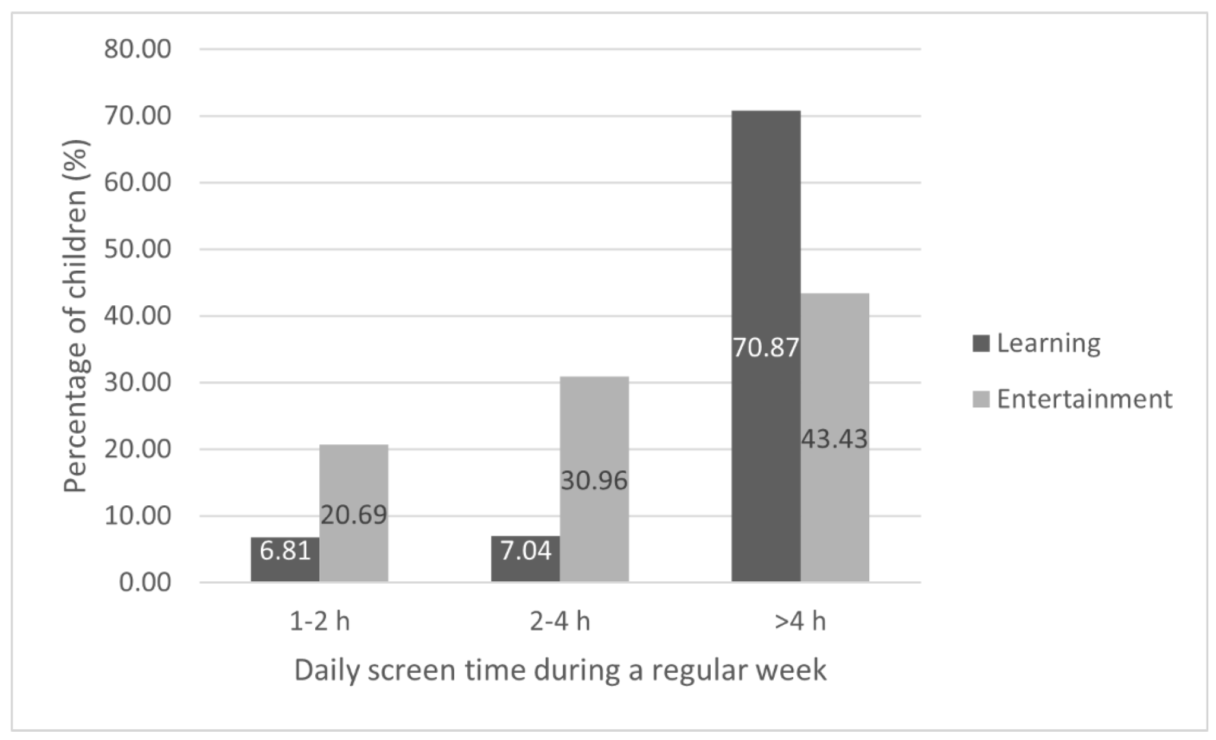
Overall, healthy habits activities provide children with structured patterns, which enable them to anticipate upcoming events and develop automatic behavioral responses.
Handwashing and self-care habits
Establishing self-care routines early provides children with the foundation to manage their personal hygiene, health, and independence from a young age. Follow:
- Handwashing before meals and after toileting reduces the spread of illness and reinforces personal responsibility.
- Brushing teeth and daily hygiene routines help children develop self-care skills and a sense of autonomy.
- Managing personal items and dressing independently builds fine motor skills and executive function.
- Regular practice of these habits in predictable routines improves compliance and establishes long-term behavioral patterns.
Consistent self-care routines provide children with a foundation for independence, health awareness, and daily structure, setting the stage for successful habit formation later in life.
Food, sleep, and transition habits
Daily routines around nutrition, rest, and activity transitions create the stability children need to regulate behavior, emotions, and energy. Follow:
- Regular meal and snack schedules promote balanced nutrition and support metabolic regulation.
- Consistent bedtime and wake-up routines enhance sleep quality, emotional regulation, and cognitive functioning.
- Predictable transitions between health and wellness activities for kids, such as home to school or play to cleanup, reduce stress and improve self-regulation.
- Embedding structure in eating, sleep routines, and transitions fosters autonomy and smooth adaptation to new environments.
Integrating healthy snacks, sleep, and transition habits into everyday routines creates stability, reduces behavioral challenges, and supports overall wellness, giving children the consistency needed to thrive both at home and in educational settings.
How daycare can reinforce wellness in practical ways
The daycare programs develop essential daily routines which help children to maintain their health through their scheduled wellness activities for elementary students. The classroom practices which include music and movement and structured play and mindfulness enable children to control their energy levels and emotional states and attention span while they develop physical and cognitive and social abilities. The activities establish a base for permanent emotional wellness practices by supporting executive functioning and coordination and prosocial behavior.
Music and movement in the classroom
Incorporating music and movement throughout the day establishes multiple development paths for children to follow. The activities of guided dance rhythm exercises and movement breaks help people develop their gross motor skills, their fine motor skills, their ability to focus and their capacity to control their actions.
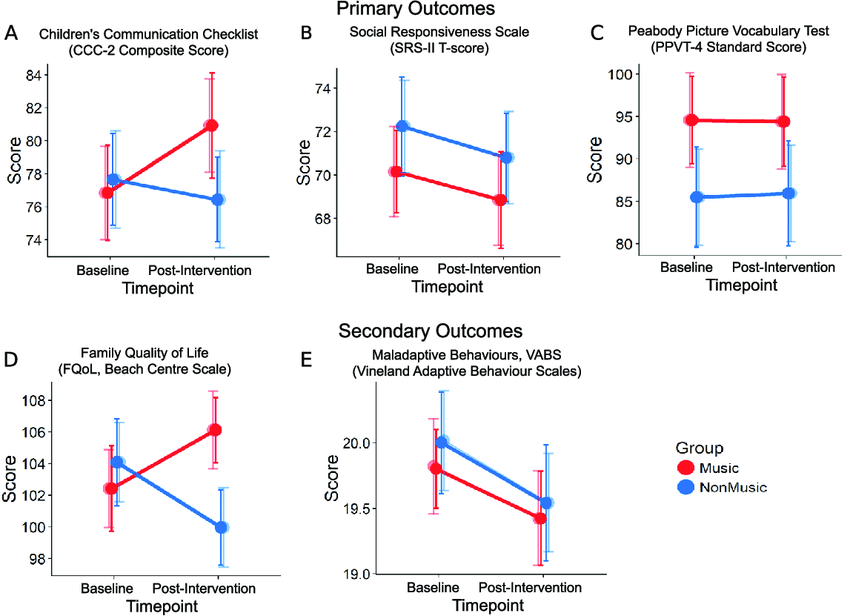
The combination of music and movement activities enables children to express their emotions while they participate in group activities which helps them transition between healthy activities for students and learn emotional skills.
How Little Scholars supports balanced development
Little Scholars in Brooklyn, which has locations in Brooklyn Heights, Park Slope, and Williamsburg, uses whole-child active play learning to promote wellness in the Preschool Program and other schedules. Their approach integrates physical activity, nutrition awareness, and social-emotional skill-building into everyday classroom experiences.
Preschool Program
The program which includes music movement and mindfulness exercises together with sensory and inquiry play provides children with a balanced environment that supports their cognitive and emotional development.
Little Scholars uses its structured but flexible wellness programs which operate in different Brooklyn locations to create a model that promotes healthy habits through daily activities while helping families understand how these health and wellness activities for kids affect their children’s long-term growth.
How parents can repeat the same habits at home
Parents establish essential support for their children because they need to reinforce daycare wellness routines. Students develop better habits when their home routines match their school schedule because it creates more secure environments which help them move between health and wellness activities for elementary students.
Here’s practical guidance:
- Mirror Daily Routines: Replicate key elements from daycare, such as handwashing before meals, brushing teeth at the same times, and regular bed/wake schedules.
- Embed Short Activity Bursts: Include mini-movement sessions, guided breathing, or yoga for 5-10 minutes after meals or before bedtime to reinforce hygiene skills.
- Use Visual Cues: Charts, picture schedules, or simple timers can remind children of steps in hygiene, snack prep, or cleanup routines.
- Make it Playful: Turn family habits into games, counting steps while brushing, singing songs while tidying up, or using fun plates for nutritious meals.
- Celebrate Consistency: Positive reinforcement, even simple praise or stickers, encourages repetition and internalization of habits.
By syncing their healthy habits activities with daycare practices, parents can help children naturally integrate habits of well-being into daily life that become automatic and resilient as children develop.
Final takeaways for families
Children experience their best development when these practices are integrated into both daycare centers and home environments while their caregivers establish regular schedules and create enjoyable health and wellness activities for kids and demonstrate supporting behavior. Families who want their children to develop through the Toddler 1-2 Program should visit our Brooklyn locations at Brooklyn Heights Park Slope and Williamsburg.
Toddler Program
The structured routines together with active play learning and personalized attention create daily support for children’s physical and emotional development.
FAQ
What are simple health and wellness activities for kids?
Health and wellness activities for kids like handwashing, brushing teeth, short movement breaks, guided breathing, and sensory play provide foundational physical and emotional benefits. These practices are easy to integrate into daily routines and support habit formation from an early age.
How can families build healthy habits without making them feel forced?
Embed healthy habits, activities into play and daily routines rather than presenting them as chores. Use modeling, positive reinforcement, and playful engagement to make habits enjoyable and meaningful.
Which movement activities work well indoors?
Simple exercises like yoga poses, dance routines, obstacle courses, and interactive fitness videos promote hygiene skills, coordination, and attention regulation. They are adaptable to small spaces and can be done in short bursts to keep children engaged.
How can daycare routines support emotional wellness?
Predictable schedules, mindfulness exercises, and structured transitions help children regulate emotions and reduce stress. Fun health activities for elementary students foster social skills and provide safe opportunities to practice self-control and cooperation.
What healthy habits should preschoolers practice every day?
Daily habits should include handwashing, dental hygiene, regular meals and healthy snacks, adequate sleep, movement, and simple mindfulness or calming routines. Consistency in these practices strengthens both physical and emotional development.
How can parents continue wellness routines at home?
Mirror routines established at daycare, use visual cues or charts, and embed healthy activities for students into play and family time. Positive modeling and gentle reinforcement help children internalize these behaviors.
What makes a wellness activity age-appropriate for young children?
Health and wellness activities for elementary students match developmental abilities, attention span, and physical capacity. They are simple, safe, engaging, and provide opportunities for mastery without frustration.
References
- Diamond, A., & Lee, K. (2011). Interventions shown to aid executive function development in children 4 to 12 years old. Science, 333(6045), 959–964. doi:10.1126/science.1204529
- Kitsaras, G., Goodwin, M., Allan, J. L., Kelly, M. P., & Pretty, I. A. (2018). Bedtime routines child wellbeing and development. BMC Public Health, 18, Article 386. doi:10.1186/s12889-018-5290-3
- Tomporowski, P. D., McCullick, B., Pendleton, D. M., & Pesce, C. (2015). Exercise and children’s cognition: The role of exercise characteristics and a place for metacognition. Journal of Sport and Health Science, 4(1), 47–55. doi:10.1016/j.jshs.2014.09.003
- Zenner, C., Herrnleben-Kurz, S., & Walach, H. (2014). Mindfulness-based interventions in schools—a systematic review and meta-analysis. Frontiers in Psychology, 5, Article 603. doi:10.3389/fpsyg.2014.00603