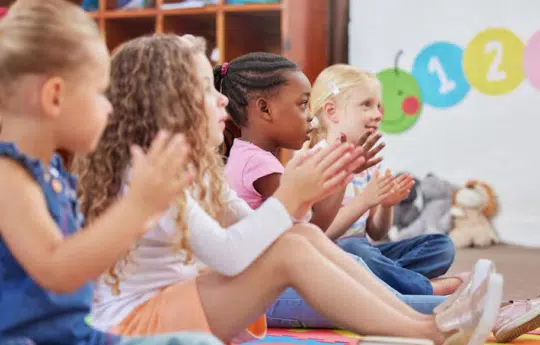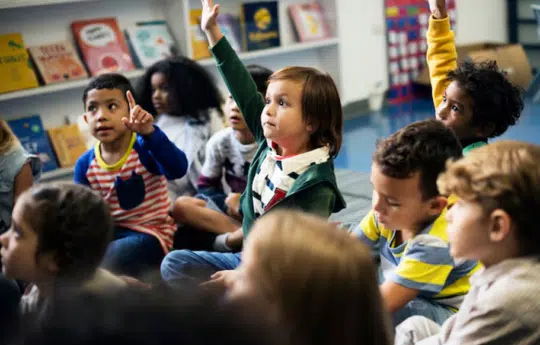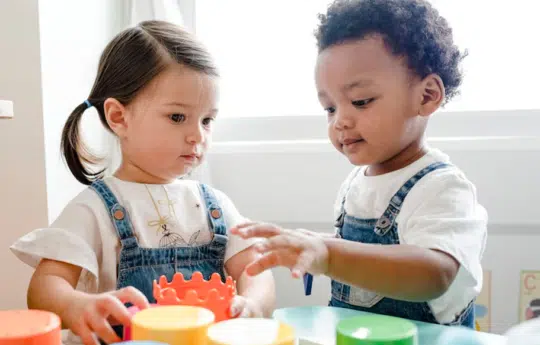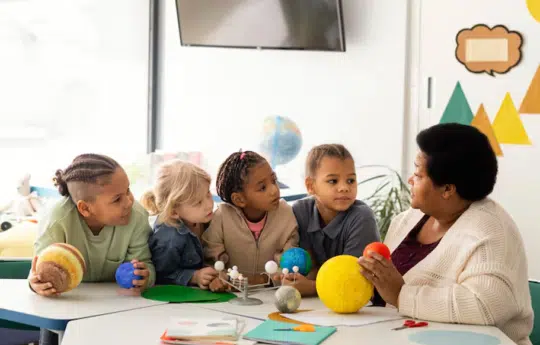
Early childhood educators can use an emergent curriculum definition to help them develop their teaching methods because it enables them to understand their students and create personalized educational plans for individual students and their classmates.
At Little Scholars NYC, we embrace emergent curriculum principles, observing children carefully and designing experiences that extend their natural curiosity while supporting comprehensive development. This article examines the curriculum by showing how it helps to inspire and engage and develop your child through its implementation.
Why more parents now ask about curriculum, not only childcare
Daycare facilities used to be selected by families throughout multiple years because of three main factors which included availability and safety standards and the distance from their home or workplace. Childcare experiences between birth and age five strongly influence language acquisition, emotional regulation and executive functioning. Families want to know who cares for their children and which learning activities actually take place during childcare.
Families now understand that daily interactions and conversation and play and guided exploration serve as fundamental learning opportunities instead of providing simple time for watching over their children. Daycare decision-making has progressed from specialized educational terms, like emergent curriculum definition, to common everyday language.
The shift from supervision to intentional learning
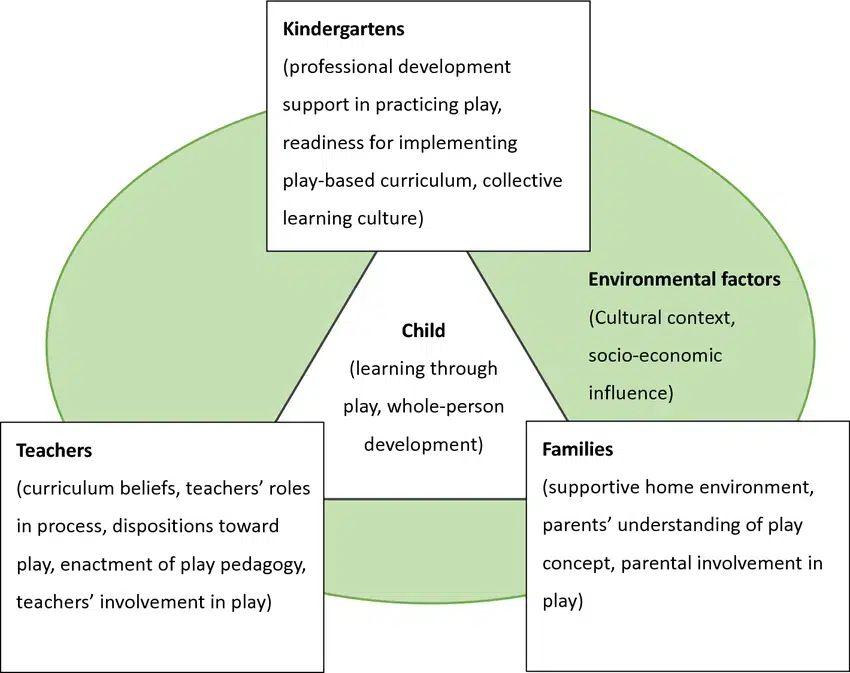
Intentional learning describes educational settings where teachers create learning environments that help students achieve cognitive and social and emotional and physical growth. Current early childhood programs have stopped treating daycare hours as periods of unproductive time. Teachers design learning spaces that promote student research and communication and independent learning.
| Traditional Supervision Model | Transitional Model | Intentional Learning Model | Developmental Impact |
| Focus on safety and routine care. | Mix of care and occasional activities. | Purposeful learning through play and interaction. | Stronger cognitive and social development. |
| Adult-directed management | Activity-based scheduling. | Observation-informed teaching. | Higher engagement and curiosity. |
| Group control prioritized | Balanced structure and flexibility. | Individual developmental support. | Improved self-regulation. |
| Learning separated from play | Play is used as a reward. | Play is used as a primary learning method. | Deeper problem-solving skills. |
Intentional learning does not create early academic pressure because it matches teaching methods with the natural learning abilities of young children. Teachers use various methods to guide learning by creating experiences that include open-ended questions and they modify learning spaces to support students in their pursuit of knowledge.
Why curriculum language can confuse families
The vocabulary used in early childhood education programs to define their curricula shows a professional curriculum framework because it does not match the words used by parents in their daily life. Play-based learning and constructivist approaches describe similar methods yet different training rituals and accreditation standards determine how institutions implement these terms.
The early childhood curriculum organizes learning through five essential elements which include developmental processes and relationships and exploration and communication and self-regulation skills. The distinction between these two elements enables parents to evaluate programs through their observation of classroom interactions and teacher responsiveness and learning environment standards instead of relying on specific terms.
What emergent curriculum means in practice
What is emergent curriculum? The dynamic planning model of that curriculum uses constructivist and sociocultural learning theory as its foundation. Educators create learning environments that enable students to develop their understanding through their visible thought processes and their exploration of play and their social behavior.
The approach has strong ties to the Reggio Emilia approach while it incorporates research from Loris Malaguzzi and Jean Piaget and Lev Vygotsky who studied how people learn through active exploration and social meaning-making instead of through passive instruction [1].

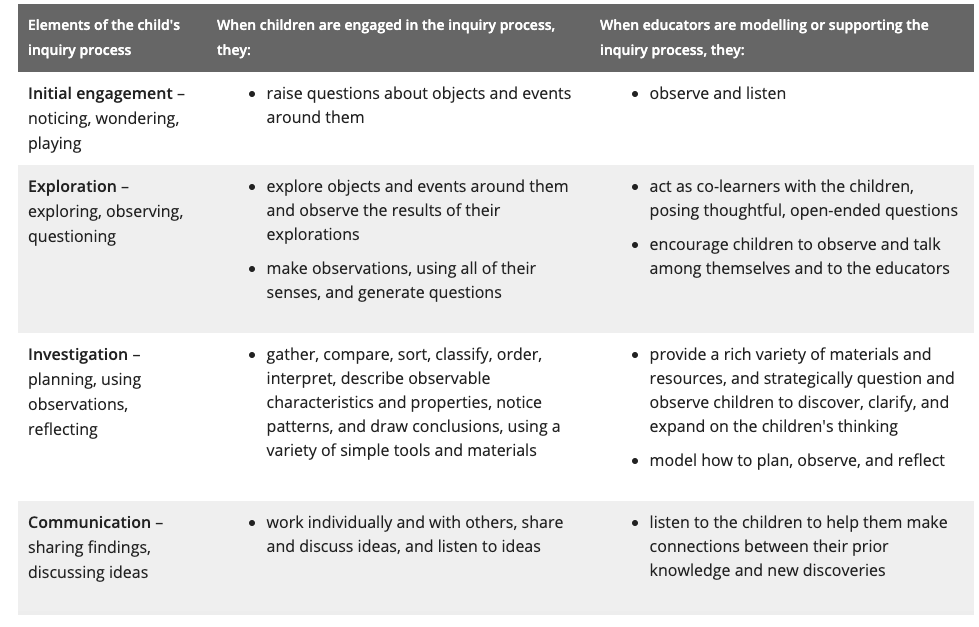
Emergent curriculum maintains educational structure through its implementation. The learning structure shifts from preplanned lessons to flexible instructional methods that respond to student needs. Teachers conduct research by observing students and developing hypotheses and creating learning activities and observing results and modifying the educational spaces.
Read further on what the core values for children are considered in preschool programs:

Content 7 Core Values Every Child Should Learn1. Honesty2. Kindness3. Responsibility4. Fairness5. Respect6. Courage7. PerseveranceIdentifying Core Values in ChildrenA. Observing Choices and BehaviorsB. Using Personal Values Assessment ToolsCore Values to Teach: Morals for KidsHonestyKindnessResponsibilityFairnessRespectCouragePerseverancePractical Activities and Strategies to Teach Core ValuesRole-Playing ScenariosValue-Based Story TimeCommunity Service ProjectsValues Reflection JournalStrategies for Integrating Values into Daily RoutinesModeling ValuesValue … Core Values for Kids: Why They Matter and How to Teach Them
Observation-led planning
The teachers begin their work by observing students through their play and communication and social interaction. Research based on constructivist theory shows that children learn best when their experiences match their current stage of cognitive development instead of following predetermined learning paths which teachers have established [2].
Teachers use their observations as continuous assessment methods which help them identify student tendencies to explore new things and work through problems and develop new skills. The teachers shift their focus from assessing lesson completion to understanding what students need to learn and which learning environments will help them achieve their learning goals.
Learning built around children’s interests
Teachers use play activities which show repeated patterns, such as structure construction and storytelling and movement activities and natural material exploration, to create mixed learning opportunities. Educators create developmental exploration activities which enable students to investigate multiple learning areas through their activities. A single interest may build support for language development, collaboration skills, and creative expression.
Researchers showed that people who use exploratory activities for curiosity-based learning will develop better skills in testing hypotheses and flexible thinking and persistence skills according to research which Alison Gopnik reviewed [3]. Teachers present new materials and challenge students to deepen their inquiry process. The emergent education program offers a structured learning experience which adapts to the interests of young learners, enabling the curriculum to progress while fulfilling developmental standards.
What emergent curriculum looks like in a classroom
Teachers in emergent curriculum classrooms use responsive teaching methods instead of delivering prewritten lessons. Teachers create learning spaces that include open-ended materials, and they watch how children use those materials to develop their understanding through talking, testing, and working together. Play-based pedagogy shows that children demonstrate deeper language use and stronger executive functioning when instruction evolves from their ongoing interests rather than rigid activity schedules.
Real examples from art, language, and sensory play
The daily classroom activities show people how emergent curriculum functions. Learning develops through ongoing research activities which students conduct to explore their interests.
Emergent curriculum examples:
- Art Exploration: Children notice outdoor shadows and begin experimenting with light during painting. Teachers introduce translucent materials, mirrors, or projectors to deepen investigation.
- Language Development: Interest in construction vehicles prompts storytelling, vocabulary expansion, and peer conversation. Teachers document children’s language, revisit discussions, and support dialogue.
- Sensory and Inquiry Play: Water play develops into exploration of pouring, measuring, and cause-and-effect relationships. Educators add tools based on observed curiosity.
Emergent curriculum classrooms create spaces that function as active learning environments which maintain flexible design and responsive teaching methods.
How teachers document progress and next steps
The emergent curriculum assessment process does not use standardized tests or fixed standards to evaluate student performance. Teachers use their observations to create ongoing assessments of student progress because they watch students learning through their daily activities. Educators use documentation to track student development while they discover methods to generate meaningful learning opportunities.
The documentation process enables teachers to build their teaching strategies through a continuous loop which includes the steps of observe, interpret, plan and revisit. Teachers create next instructional steps through evidence analysis which helps them to meet the specific interests and developmental requirements of their students.
How parents can compare curriculum models
Daycare programs need teachers to understand learning organization first before they can assess which preschool activities their students will do. Developmental research shows that program quality depends less on brand names and more on the interaction between teacher practices, child agency, and developmental goals.
See the table:
| Dimension | Creative Curriculum | HighScope Curriculum | What Parents Should Listen For |
| Learning Structure | Teacher-guided thematic studies organized around developmental goals. | Plan-Do-Review cycle emphasizing child initiation. | Does learning follow a clear process rather than random activities? |
| Role of the Child | Children explore within teacher-designed investigations. | Children plan actions, carry them out, and reflect. | Are children active decision-makers or mainly recipients? |
| Teacher Role | Facilitator who extends themes through questioning and materials. | Partner in learning who scaffolds problem solving. | Do teachers describe interaction strategies, not just lessons? |
| Assessment Method | Ongoing observational assessment linked to developmental objectives. | Continuous observation tied to key developmental indicators. | How do teachers track growth beyond worksheets or tests? |
| Daily Routine | Predictable schedule with project-based exploration. | Highly structured routine supporting autonomy and executive function. | Can staff explain why routines exist developmentally? |
| Research Foundation | Based on developmental domains and social-emotional learning research. | Supported by longitudinal outcome studies (Perry Preschool). | Can educators reference developmental principles or evidence? |
The HighScope Perry Preschool Study, which stands as the longest ongoing early education research project, demonstrates through its findings that intentional curriculum design together with active child learning activities leads to sustained educational and work achievement and health results that extend into adult life [4].
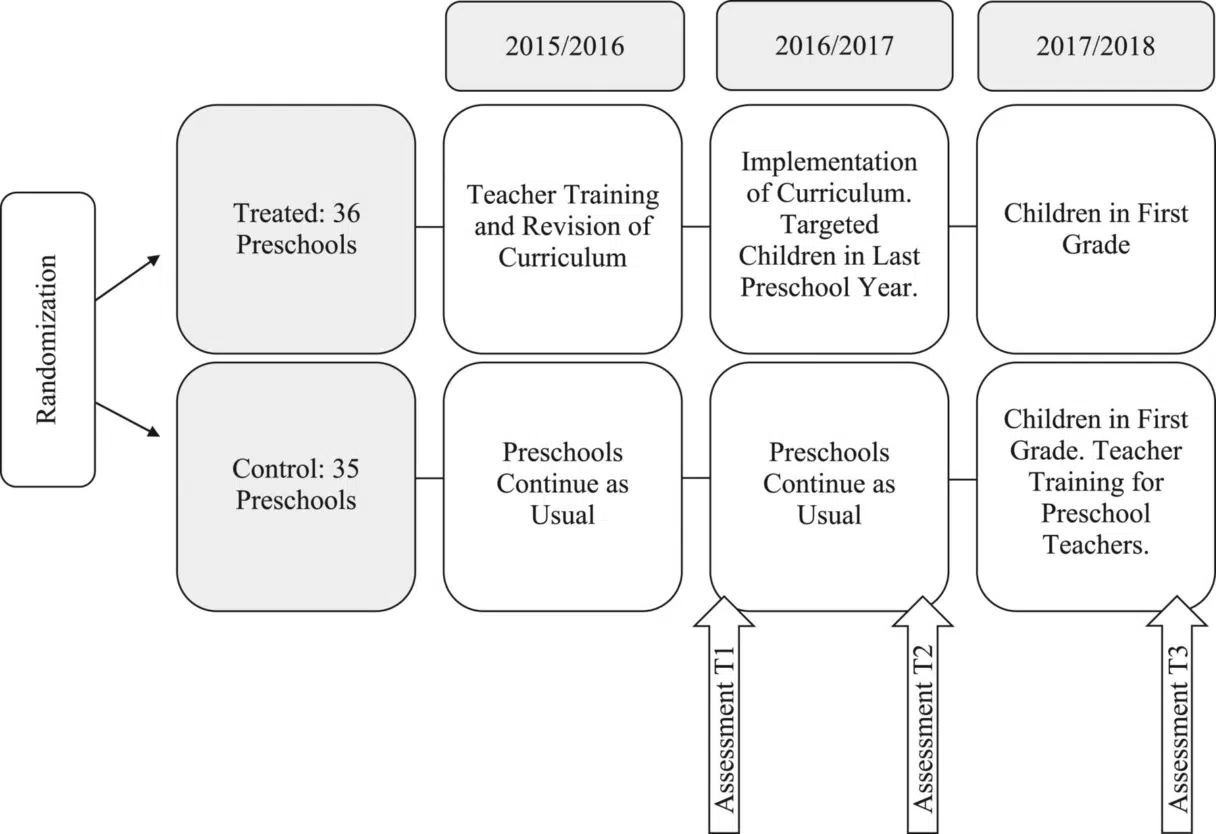
The research on curriculum implementation shows that students achieve better learning outcomes when teachers purposefully structure their learning experiences instead of only giving them learning activities to complete [5]. Emergent education uses developmental theory to guide their daily operations through their implementation of this curriculum.
How Little Scholars presents its learning approach
The emergent education program at Little Scholars NYC follows research-based methods which combine developmental psychology with current evidence-based educational programs:
Infant Program
Toddler Program
Preschool Program
Summer Camp
The program uses constructivist learning theory and sociocultural models and play-based educational research to develop a space which enables children to control their learning process while exploring new things and meeting their growth requirements. Teachers use observation and documentation to create learning experiences which match the developing cognitive and social and emotional development of each student.
Five areas of development
All five development areas at the Preschool Program show development because the National Association for the Education of Young Children (NAEYC) evidence and extended research on early childhood education development results show this link.
Key the emergent curriculum examples:
- Cognitive Development: Activities foster problem-solving, reasoning, and symbolic thought, often integrating STEM concepts through play and project-based exploration.
- Language and Literacy: Classroom planning promotes expressive and receptive language skills through storytelling, conversational turn-taking, and intentional vocabulary-building practices.
- Social-Emotional Development: Educators support self-regulation, empathy, collaboration, and conflict resolution via guided social interactions and structured group activities.
- Physical Development: Gross and fine motor skills are cultivated through movement-based play, manipulative materials, and outdoor exploration.
- Creative and Aesthetic Development: Artistic expression, music, and dramatic play encourage divergent thinking, symbolic representation, and emotional self-expression.
Progress is monitored through systematic observation and documentation, ensuring that planning is data-informed, individualized, and responsive to emerging interests.
Whole-child and play-based learning
Little Scholars operationalizes a whole-child approach which combines cognitive development with social development and emotional development and physical development instead of teaching academic skills through separate lessons. Play functions as the main teaching method because research shows that play-based learning environments improve executive function skills and help children acquire language and solve problems.
Teachers create play invitations that help students learn new skills while giving students the freedom to choose their activities. Students achieve learning through their interactions with friends and educational materials and their teachers instead of through traditional teaching methods. The documentation of play sequences helps the team determine upcoming activities while maintaining developmental target requirements.
Conclusion: how to choose a program with more clarity
The emergent education programs of Little Scholars NYC use observation-based learning together with play-based activities and complete child development methods to create daily educational experiences that help students develop their cognitive skills and social skills and emotional abilities. Families can understand the Preschool 3K Program effectiveness through classroom planning which involves specific question testing and analysis.
You can visit Little Scholars NYC locations in Brooklyn and Manhattan and Queens to get what is emergent curriculum and interact with teachers while observing how your child develops through emergent learning which starts from their first day at school.
FAQ
What is an emergent curriculum in simple terms?
It is a learning approach where activities grow from children’s interests and developmental needs rather than fixed weekly lesson plans. Teachers observe children and design experiences that expand curiosity into deeper learning.
How is an emergent curriculum different from a fixed lesson plan?
Fixed plans follow predetermined topics regardless of children’s engagement. Emergent curriculum adapts continuously based on investigation and interaction.
What are examples of emergent curriculum in daycare?
A child’s interest in insects may lead to drawing projects, storytelling, outdoor exploration, and counting activities connected to bugs. One idea expands into multiple areas of learning.
Does child-led learning still include structure?
Yes. Daily routines, developmental goals, and teacher guidance provide structure while allowing flexibility within activities for child-led learning.
How can parents tell whether a curriculum fits their child?
Observe whether children appear engaged, supported, and comfortable exploring independently. A good fit reflects both learning opportunities and emotional security.
What questions should families ask on a daycare tour?
Ask how teachers plan activities, document progress, respond to children’s interests, and communicate developmental growth with families.
How does emergent learning compare with Creative Curriculum and HighScope?
All three support active learning, but the emergent curriculum is more flexible and observation-driven, while Creative Curriculum and HighScope provide more predefined planning and curriculum framework combined with play-based methods.
References
- American Institutes for Research. (n.d.). HighScope Preschool Curriculum and Professional Development Efficacy Study
- Gopnik, A. (2010). How babies think. Scientific American, 303(1), 76–81. doi:10.1038/scientificamerican0710-76
- HighScope. (n.d.). Perry Preschool Study
- Wikipedia contributors. (2026, April 14). Reggio Emilia approach. In Wikipedia
- Wikipedia contributors. (2026, February 6). Constructivism (philosophy of education). In Wikipedia