
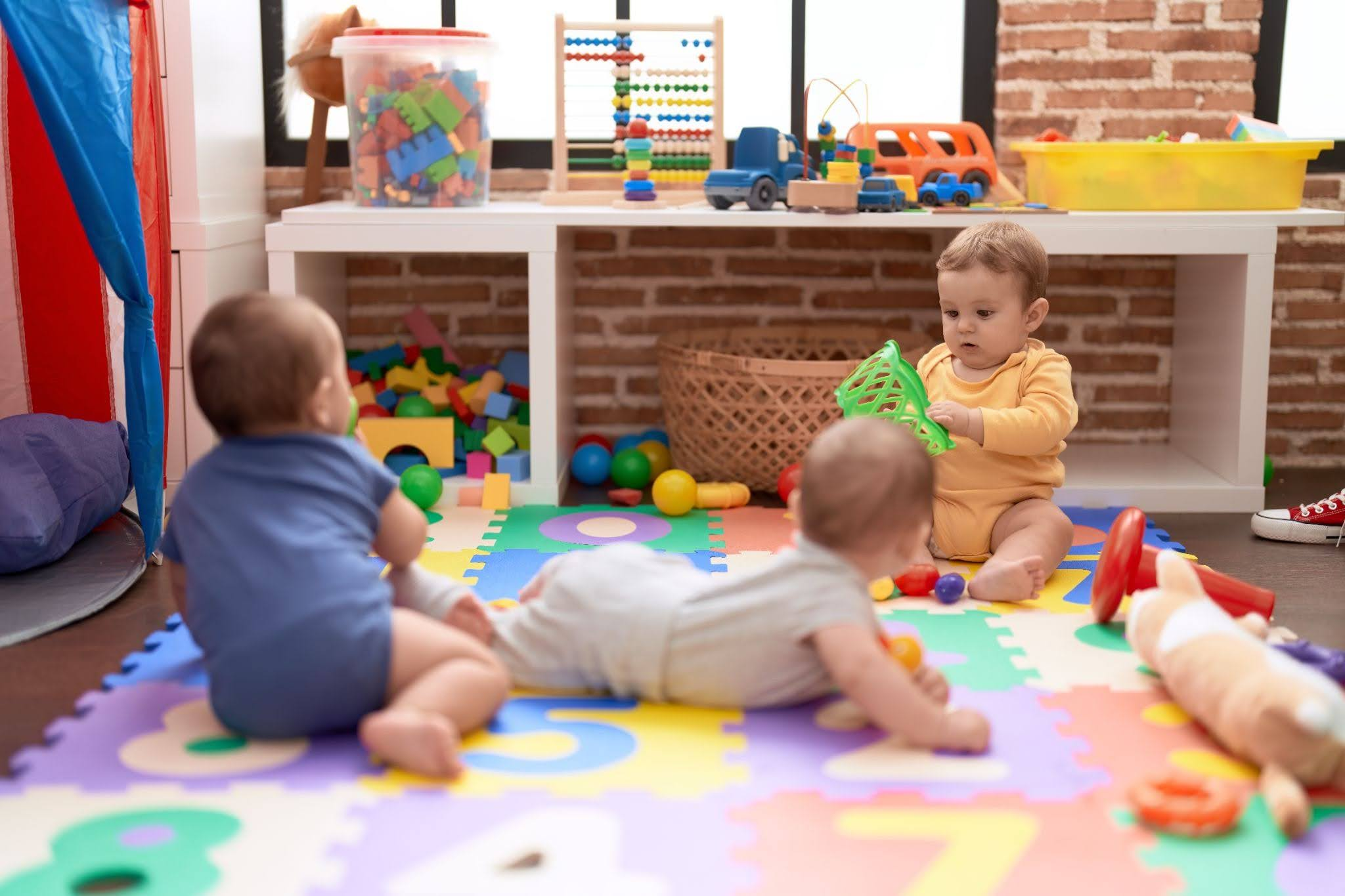
How does daycare work? Preschools create major advantages for children because these benefits continue throughout their entire lives. The appropriate physical space design enables children to begin their educational journey from home. The system helps children transition between different daycare activities without any difficulty.
The optimal baby in daycare development center in Brooklyn must be selected through this process because it will produce the greatest benefits. The majority of parents struggle to identify which elements should be used to assess pre kindergarten schools in Brooklyn. The educational model that a center adopts does not impact its core operations.
Why parents worry most before the first infant daycare experience
Parents start feeling more anxious about their first daycare experience because their child will enter a period that changes their bonding patterns and daycare activities and child care methods. Parents worry about their child’s ability to get enough care while they also want to know whether feeding times and sleeping times will be followed and they need information about how separation will affect their bond.
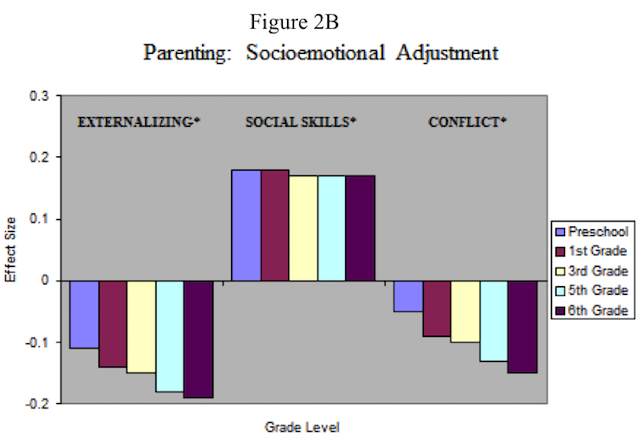
Pursuing the question of “How does daycare work”, the initial days of childcare present the most challenging period for parents because they must cope with new daily patterns and their child needs time to develop a bond with the caregiver.
Common fears about care, feeding, and bonding
Many parents experience anxiety before the first days of infant daycare because the transition involves both emotional and practical uncertainties. In detail:
- Adequate attention: Parents worry that working with infants in daycare will be able to respond promptly to individual cues.
- Feeding schedules: Concerns about whether infants will eat on time or receive the same quality of feeding as at home.
- Bonding and emotional security: Fears that early separation may impact attachment or cause prolonged distress.
- Health and safety: Anxiety about germs, accidents, or mismanagement of minor illnesses.
Attachment theory indicates that a structured baby in daycare experience with trained caregivers generally supports secure attachment and responsive caregiving, even in early separations [1].
What changes after the first weeks
The first phase of adjustment leads to better routine handling and caregiver relationships for a baby in daycare who become familiar with their new environment. Parents observe decreased separation anxiety in their infants who form attachments to daycare workers and learn to expect their daily routines. The process of social referencing development and early communication skills and adaptive sleep patterns enables working with infants in daycare to see developmental progress.
What a typical infant daycare day looks like
What do infants do at daycare? The structure of an exceptional daycare program for infants centers around responsive caregiving which operates within established time patterns while providing for feeding and resting and developmental activities. The operational framework of effective infant care programs requires working with infants in daycare to divide their activities into major time segments while they monitor the specific needs of each child which includes hunger and sleepiness and participation.
Refer to the table:
| Activity Block | What Happens | Typical Sequence | Developmental Purpose |
| Arrival & Settling | Warm greeting and parent handoff. | Arrival, check‑in, diapering. | Establishes emotional security and smooth transition. |
| Feeding Periods | Bottle or breast‑feeding, solids as age‑appropriate. | Morning, mid‑day, afternoon feedings. | Supports nutrition and responsive eating habits. |
| Nap Windows | Safe sleep checks and individualized rest. | Multiple naps depending on tired cues. | Rest and physiological regulation. |
| Sensory & Movement Play | Tummy time, touch, music, gentle stimulation. | Short periods between naps/feedings. | Promotes motor, sensory, and cognitive development. |
| Quiet Transitions | Diaper changes, calming activities. | Between major blocks. | Supports self‑regulation and prepares for the next activity. |
| Departure Routine | Wind‑down, caregiver reports to parents. | Calm play, summary of day. | Reinforces predictability and communication. |
This predictable rhythm supports emotional regulation and comfort because infants begin to anticipate what comes next, reducing stress and helping them settle more easily into the day.
Arrival, feeding, naps, and quiet transitions
The day at infant daycare starts with a peaceful arrival and the transfer of children to their caregivers because this process helps infants establish trust through their first steps into classroom care from their home environment. Caregivers ask for updates on the child’s last feed, nap, and mood so they can align care with the child’s needs [2].
The feeding schedule throughout the day follows two patterns which include individual hunger indicators and parent‑provided schedules but excludes any fixed feeding timetable. Naps are integrated into the day through flexible time periods which allow working with infants in daycare to track tiredness indicators instead of following strict schedules.
Caregivers create peaceful spaces through quiet times which they typically establish by playing soft music and using dim lighting and gentle methods of interaction to support infants in managing their arousal states. The establishment of regular transitions enables emotional stability which decreases stress levels especially during early childcare operations.
Sensory play and early interaction
Daytime sensory play together with early interactional activities operate as the fundamental elements of infant daycare services. The caregivers conduct daycare activities that support infant development through three main areas which include motor skills and cognitive abilities and social interaction skills. The practices strengthen neural pathways which connect to sensory integration and early problem-solving abilities.
Caregivers working with infants in daycare develop personalized interactions which match each child’s developmental needs by observing their behavior. The combination of singing and talking and interactive play during sensory activities helps children develop language skills and build social relationships.
Which daycare activities support infant development
Infant daycare programs use multiple sensory play experiences together with movement activities to create learning situations which help children develop cognitive skills and motor abilities and social-emotional competencies. The top-quality care system provides daycare activities which match the developmental stage of children and which their caregivers can use to track their development while supporting their active learning needs.
Research in early childhood development shows that sensory stimulation and motor practice in infancy establish a strong connection with later cognitive and motor outcomes while responsive social interaction helps children develop their attachment skills and emotional regulation abilities [3].
Music, touch, and visual exploration
Daycare programs use music, tactile objects, and visual stimuli to engage a baby in daycare in ways that are both stimulating and responsive to their developmental needs.
Include:
- Music and Sound: Singing, gentle percussion, and rhythmic movement enhance auditory processing, attention, and early language recognition.
- Tactile Play: Exposure to varied textures, soft toys, fabrics, and safe sensory objects, promotes tactile discrimination and fine motor skills.
- Visual Stimuli: High-contrast patterns, mirrors, and colorful objects stimulate visual tracking, attention, and early object recognition.
- Responsive Interaction: Caregiver-led but infant-focused engagement, including talking, smiling, and gentle touch, strengthens social bonds and attachment security.
These daycare activities integrate multiple developmental domains simultaneously, supporting cognitive, sensory, and socio-emotional growth.
Movement, tummy time, and social engagement
Structured tummy time, reaching exercises, and guided interaction allow a baby in daycare to build muscle strength, coordination, and social understanding in a safe, responsive environment.
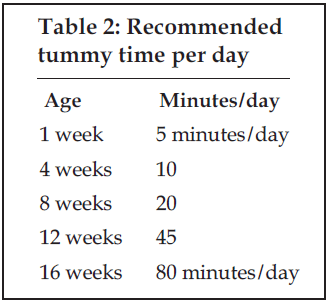
In detail:
- Tummy Time and Gross-Motor Play: Daily supervised floor time helps strengthen neck, shoulder, and core muscles, preparing infants for crawling and other motor milestones.
- Reaching and Grasping: Manipulating safe objects encourages hand-eye coordination and early problem-solving skills.
- Social Engagement: Eye contact, turn-taking games, and caregiver-infant mirroring foster early communication, emotional regulation, and social awareness.
- Exploratory Movement: Rolling, stretching, and guided locomotor activities support proprioception, coordination, and spatial awareness.
Movement-based daycare activities are crucial for neuromotor development and self-regulation, while social interaction within these activities promotes secure attachment and early emotional intelligence.
What parents should look for in an infant program
Daycare selection for infants needs assessment of both caregiving standards and environmental conditions. Parents should choose programs which provide safe environments that support children’s developmental needs through established infant routines and personalized care. Childcare professionals explain that secure attachment and cognitive stimulation and better emotional developmental milestones stem from high-quality infant care.
Group size and caregiver attention
The optimal caregiver-to-infant ratio requires smaller ratios because it enables working with infants in daycare to deliver proper care and attentive interaction to every child. The programs that operate with low ratios allow caregivers to observe specific signals from infants which enables them to respond to emergencies and deliver customized assistance during their feeding and sleeping and playing activities.
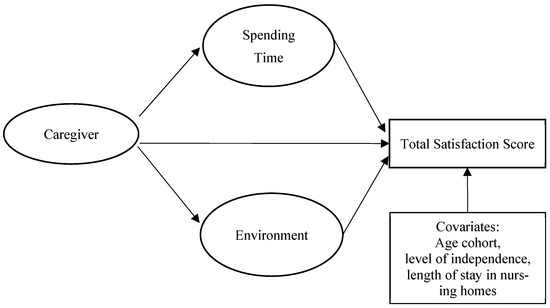
Research demonstrates that smaller group sizes lead to higher caregiver sensitivity which results in decreased infant stress and better developmental outcomes during the first twelve months of life [4]. Parents should inquire about standard ratios which staff members use to manage infant transitions and supervise multiple infants.
Communication and daily updates
The establishment of trust between caregivers and parents requires their ongoing communication which helps them keep families updated about feeding times and nap schedules and milestones. Daily updates help parents feel confident in the quality of care and allow for continuity between home and daycare infant routines.
Research indicates that programs with strong parent to caregiver communication help parents build confidence while decreasing their anxiety about separation and supporting their ability to maintain consistent caregiving routines [5]. Parents should look for programs that deliver organized and clear updates and enable parents to discuss their child’s daily experiences. Also check out other blog posts on the most relevant childcare topics, here.
Content Low Teacher-to-Student Ratios and Qualified StaffClean, Safe, and Stimulating EnvironmentStructured Yet Flexible Daily ScheduleStrong Parent Communication and InvolvementPlay-Based Learning with Academic ComponentsPositive Social-Emotional ClimateProper Licensing and Accreditation Picking a preschool rarely feels easy. Appearance does not always imply quality. It shows up in how children are treated and how the classroom feels. These signs … 7 Signs of a High-Quality Preschool Parents Should Look For

Content 1. What qualifications do your teachers hold?2. How long have your teachers worked here?3. What is your teacher-to-student ratio during daily routines?4. How does your curriculum support learning each day?5. How do you support different learning styles?:6. What does a typical day look like from start to finish?7. How do you handle behavior guidance … 10 Essential Questions to Ask When Touring Preschools in Brooklyn

Content 1. Qualified and Caring Caregivers2. Stellar Reviews3. Caring, Loving and Stimulating Environment4. Check the Adult to Child Ratio5. Safety, Safety, Safety6. An Interesting Curriculum or a Varied ScheduleConclusion Placing your kid in a daycare center is one of the best decisions you can make. It not only ensures the safety and security of your … 6 Important Signs of a Great Childcare Center
How Little Scholars describes its infant care model
Little Scholars NYC delivers a play-based approach to infant care which follows developmental research principles while implementing proven methods and interactive caregiving systems. The program develops infants across all developmental domains by providing personalized care and structured daycare activities which meet their cognitive and social and emotional and motor development requirements.
Our caregivers working with infants in daycare receive training to monitor infant signals and support their development through interactive play while establishing safe spaces which promote early bonding and discovery-based learning.
Infant Program
Care from 3 months and age-specific environments
What do infants do at daycare, especially at such a young age? The classrooms for three-month-old infants serve as learning spaces which match their specific developmental milestones. The spaces are designed to enable safe exploration while providing sensory experiences and supporting motor skill growth through age-appropriate toys and soft surfaces and designated quiet spaces for resting. The program establishes small groups with specific caregiver-to-infant ratios which enable staff members to deliver dedicated care to each child, creating a safe environment that supports their development.
Parent partnership and structured routines
Little Scholars establishes a parent partnership by conducting ongoing communication, which provides detailed daily progress reports and parent engagement activities. The established feeding and nap schedules and playtime schedules create a structured infant routine, which enables infants to experience stable periods that help them manage their emotions during times of separation.
Conclusion: what to expect and how to compare options
The process of selecting an infant daycare in Brooklyn requires parents to assess various program elements which include staff member interaction capabilities, child group size, daily schedule implementation, and caregiver communication methods. Parents use the established criteria to compare programs which results in their selection of programs that create secure attachments while fostering early development and maintaining emotional health.
Little Scholars NYC operates multiple locations, which provide Brooklyn families with high-quality infant care through developmentally appropriate classrooms and dedicated staff members who create structured environments for infants aged three months and older.
Your child will flourish in the Nursery Program which provides both support and enjoyable learning experiences.
FAQ
What do infants actually do at daycare all day?
Infants engage in age-appropriate sensory, motor, and social experiences designed to support early development. Caregivers in parent partnership provide responsive interaction, tummy time, music, and gentle play that stimulate cognitive, emotional, and physical growth.
How does daycare work for babies under one year?
Infants engage in age-appropriate sensory, motor, and social experiences designed to support early development. To explain how does daycare work, caregivers provide responsive interaction, tummy time, music, and gentle play that stimulate cognitive, emotional, and physical growth.
How are naps, feeding, and diaper changes handled?
Infants follow schedules aligned with their infant routines, with caregivers observing hunger and sleep cues closely. Diapering, feeding, and rest periods are managed in a hygienic, responsive manner to support health and well-being.
What daycare activities are appropriate for infants?
Daycare activities include tummy time, sensory exploration, music, reading, and gentle social play. These activities promote motor development, early communication, and emotional security.
How do caregivers support early milestones?
Caregivers working with infants in daycare provide guided movement, object exploration, and responsive interaction to encourage motor, cognitive, and social-emotional skills. Observing each infant’s cues allows individualized support for milestone achievement.
What should parents ask before enrolling a baby in daycare?
Parents should inquire about caregiver ratios, daily routines, safety protocols, and communication practices. Understanding how the center addresses a baby in daycare, specifically feeding, sleep, and individual needs helps evaluate suitability for the child.
How can parents tell whether an infant program is high quality?
High-quality programs maintain low caregiver-to-infant ratios, follow evidence-based practices, and provide structured yet flexible routines. Observing responsive caregiving, clean environments, and clear caregiver communication indicates a center’s commitment.
References
- Bretherton, I. (1992). The origins of attachment theory: John Bowlby and Mary Ainsworth. Developmental Psychology, 28(5), 759–775.
- Taintor, A. (2025, June 15). Tips for creating developmentally appropriate daily schedules. In Infant and toddler care and development. Social Sci LibreTexts.
- Guralnick, M. J. (2017). Early intervention for young children with developmental delays: Contributions of the developmental systems approach. In H. Sukkar, C. J. Dunst, & J. Kirkby (Eds.), Early childhood intervention: Working with families of young children with special needs (pp. 17–35). Routledge.
- Burchinal, M. R., Roberts, J. E., Riggins, R., Jr., Zeisel, S. A., Neebe, E., & Bryant, D. (2000). Relating quality of center-based child care to early cognitive and language development longitudinally. Child Development, 71(2), 339–357.
- Guralnick, M. J., Connor, R. T., Hammond, M., Gottman, J. M., & Kinnish, K. (1996). Immediate effects of mainstreamed settings on the social interactions and social integration of preschool children. American Journal on Mental Retardation, 100(4), 359–377.