
Parents in New York often start choosing a preschool based on visible factors like cleanliness and a safe environment. While these are important, they do not fully reflect the quality of the program. The real difference lies in how daily activities support communication, behavior, and early learning.
Therefore, it is important to look deeper than the appearance of the group and assess how structured and purposeful the learning process is. Some structured preschool programs in NYC use a systematic approach that combines play, routine, and guided learning.
Why a Clean Classroom is Just a Starting Point
A clean classroom is a basic requirement for any preschool, but it says almost nothing about the quality of education. Parents often pay attention primarily to appearance, but much more important is how the learning process is organized and how educators interact with children throughout the day.
Preschool age is a period of rapid development, so the environment can not only be safe, but also truly support this development. Even the best space will not yield results without a well-thought-out pedagogical system.
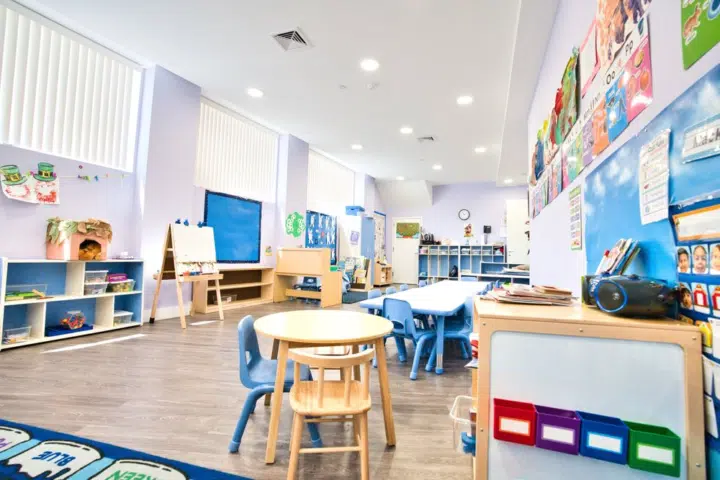
When evaluating preschool programs, it is worth paying attention to the following things:
- How educators interact with children in everyday situations.
- Is learning structured, not just free play.
- How speech and social development are supported.
- Is emotional development taken into account in the daily process?
- How balanced the day is between play, learning, and rest.
- Is there a stable and predictable routine?
These are the moments that show the quality of the program better than a quick tour of the premises.
Expectations for safety
Safety in preschool programs includes both physical conditions and the emotional atmosphere. Children tend to adapt more easily when routines are predictable and adults respond calmly to their needs. Clear protocols for actions in different situations are mandatory. Safety is the foundation, but it does not replace learning.
Why quality of instruction matters
The quality of instruction directly impacts how prepared a child is for the next stage of education. In strong preschool programs, every activity has a purpose: children learn through interaction, not just play.
Ultimately, it is the quality of the learning process, not just the environment, that shapes a child’s real development.
What Preschool Should Support at This Age
At preschool age, a child learns new behaviour patterns every day, learns to interact with other people and respond to new situations. That is why a quality preschool or daycare should support not only basic learning, but also the development of emotional stability, communication, and independence. At this age, it is important to create an environment where the child feels confident and gradually gets used to the structure. This approach helps to adapt to school more easily in the future.
Emotional development
Emotional development influences how children respond to challenges, rules, and interactions with others. In a good 3k preschool environment, children are taught to recognize their own emotions and express them in words. Gradually, the child learns to calm down, ask for help and better control their behavior. A calm atmosphere and support from teachers form inner confidence and a sense of security.
Social-emotional development
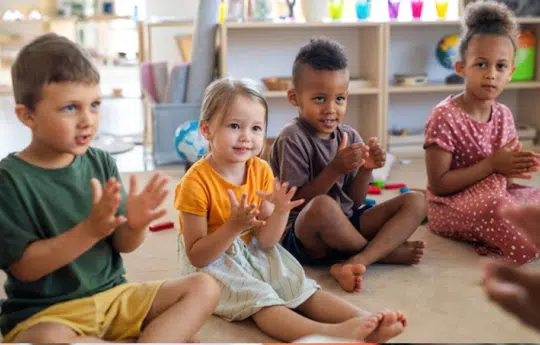
Social-emotional development is formed during daily interaction in a group. Children learn to share, wait their turn, negotiate, and work together. Through simple situations in play or class, children gradually understand other people’s emotions and learn to respond to them more calmly. These skills are especially important before starting school, as they help them adapt more easily to a new group.
School readiness
School readiness is not only about letters and numbers, but also about the ability to follow instructions, focus, and participate in group activities. A child needs to learn to listen to instructions, concentrate on a task, and work in a group. In quality preschool programs, these skills are developed gradually through daily activities, play, and a structured daily routine. Thanks to this, the child transitions more calmly to the school format of learning and adapts faster to new rules.
How to Compare Preschool Programs
Comparing private preschools near you requires looking beyond appearance and focusing on how learning happens during the day. Parents need to evaluate not only the space, but also the pedagogical model. The key is to understand how learning takes place every day and how children interact with educators.
Interaction of the educator with the child
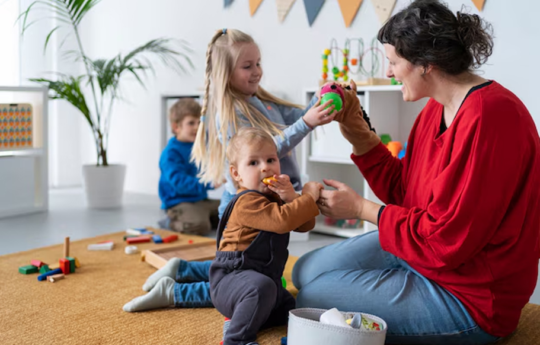
The quality of the interaction between the educator and the child is one of the main indicators of the program. The educator should be an active participant in the process – to support, guide and explain. This builds trust and makes learning more effective.
Learning through play
Play-based learning is the basis of modern preschool education. Children learn new knowledge through play and practical experience, which helps them better understand the material. The game must be not only entertainment, but also a structured learning process.
Daily routine in the group
A stable routine creates a sense of predictability for children. They understand what will happen next, which reduces anxiety and improves behavior. A clear daily structure is an important part of a quality preschool program.
Content Low Teacher-to-Student Ratios and Qualified StaffClean, Safe, and Stimulating EnvironmentStructured Yet Flexible Daily ScheduleStrong Parent Communication and InvolvementPlay-Based Learning with Academic ComponentsPositive Social-Emotional ClimateProper Licensing and Accreditation Picking a preschool rarely feels easy. Appearance does not always imply quality. It shows up in how children are treated and how the classroom feels. These signs … 7 Signs of a High-Quality Preschool Parents Should Look For
What Parents Should Ask Before Enrolling
Before enrolling in a daycare preschool, parents should ask specific questions. This helps to better understand the real level of the program and the approach to learning. It is important to get a clear idea of the educational process and communication with families.
Questions about the curriculum
Parents should find out what methodology is used in the institution. This includes the approach to learning, development and the overall goals of the program. A clearly structured program indicates a systematic approach to education.
Questions about communication
Communication between parents and the institution is critical. It is important to know how often information is provided – daily reports, notifications or regular meetings. It is also worth clarifying how accessible the administration is for quick feedback.
Questions about the schedule
The schedule determines the structure of the child’s day. It is important to understand how much time is allocated for play, study and rest. The balance between these activities directly affects the child’s development and overall well-being.
Approaches to Preschool Education
Strong preschool programs for early childhood education usually combine structured learning, play-based activities, and social interaction. This balance helps children build early cognitive and emotional skills naturally.
In the practical work of the program, several basic principles can be identified that shape the quality of the learning environment:
- combination of play and purposeful learning;
- active participation of the child in daily processes;
- development of emotional stability through interaction;
- support of social skills in the group;
- gradual complication of educational tasks;
- stable structure of the day with a predictable rhythm.
These elements allow for a holistic approach to early development.
Early learning
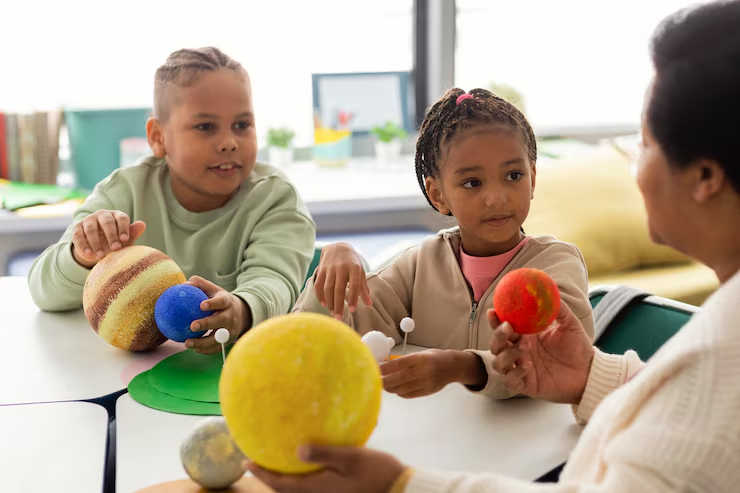
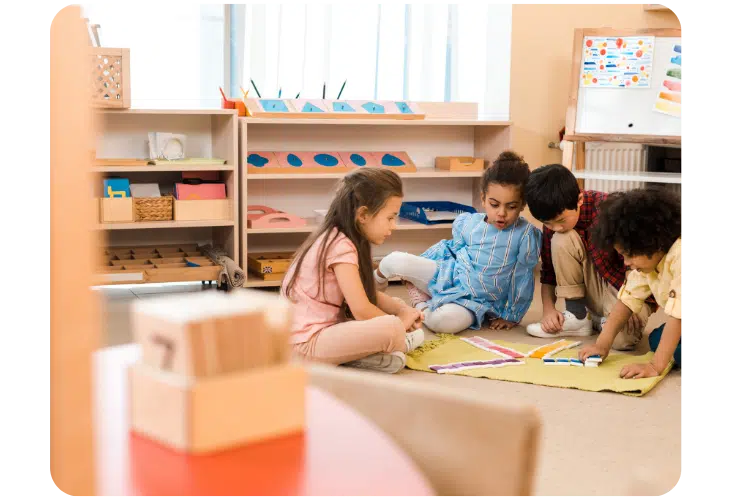
Early learning is based on the active participation of the child care. Children interact with materials and educators, which helps to form basic cognitive skills. Learning occurs through practice, which makes new knowledge better consolidated in real situations.
Program continuity
Program continuity means consistency between different age stages. The child does not encounter abrupt transitions between learning levels, which facilitates adaptation and reduces stress. The program is built gradually, ensuring logical complexity of tasks and stable development.
Different locations in NYC
The presence of several locations in New York allows parents to choose a convenient option without losing quality. This increases the accessibility of the program to different areas of the city and ensures a single standard of education. Children receive the same level of education regardless of location, which is an important advantage for parents.
To get more information, parents can call the phone number listed on the preschool website. It is also helpful to check the summer camp programs offered during school breaks for additional child development opportunities.
Conclusion: How to Choose a Preschool That Builds Readiness for Learning
Choosing the best preschool near you should be based primarily on the quality of the education, not just on external factors. In preschool, a child needs structured development that encompasses emotional, social, and cognitive skills. Quality preschool programs build school readiness and create a strong foundation for later learning.
FAQ
What is the difference between daycare and preschool?
Daycare provides care, while preschool also includes structured learning.
What should you look for when choosing a preschool near you?
The quality of education, the interaction of educators with children, and the structure of the program.
How to compare private preschools near you?
Through teaching methods, the atmosphere in the group, and the organization of the day.
At what age can a child start preschool?
Usually from 2.5 to 4 years, depending on the child’s readiness.
How does play-based learning help children?
Through play, children learn new knowledge and skills more easily.
Why is social-emotional development important in preschool?
It shapes behavior, empathy, and communication skills.
What should you ask before enrolling in a daycare or preschool?
About the curriculum, communication, schedule, and teaching methods.