
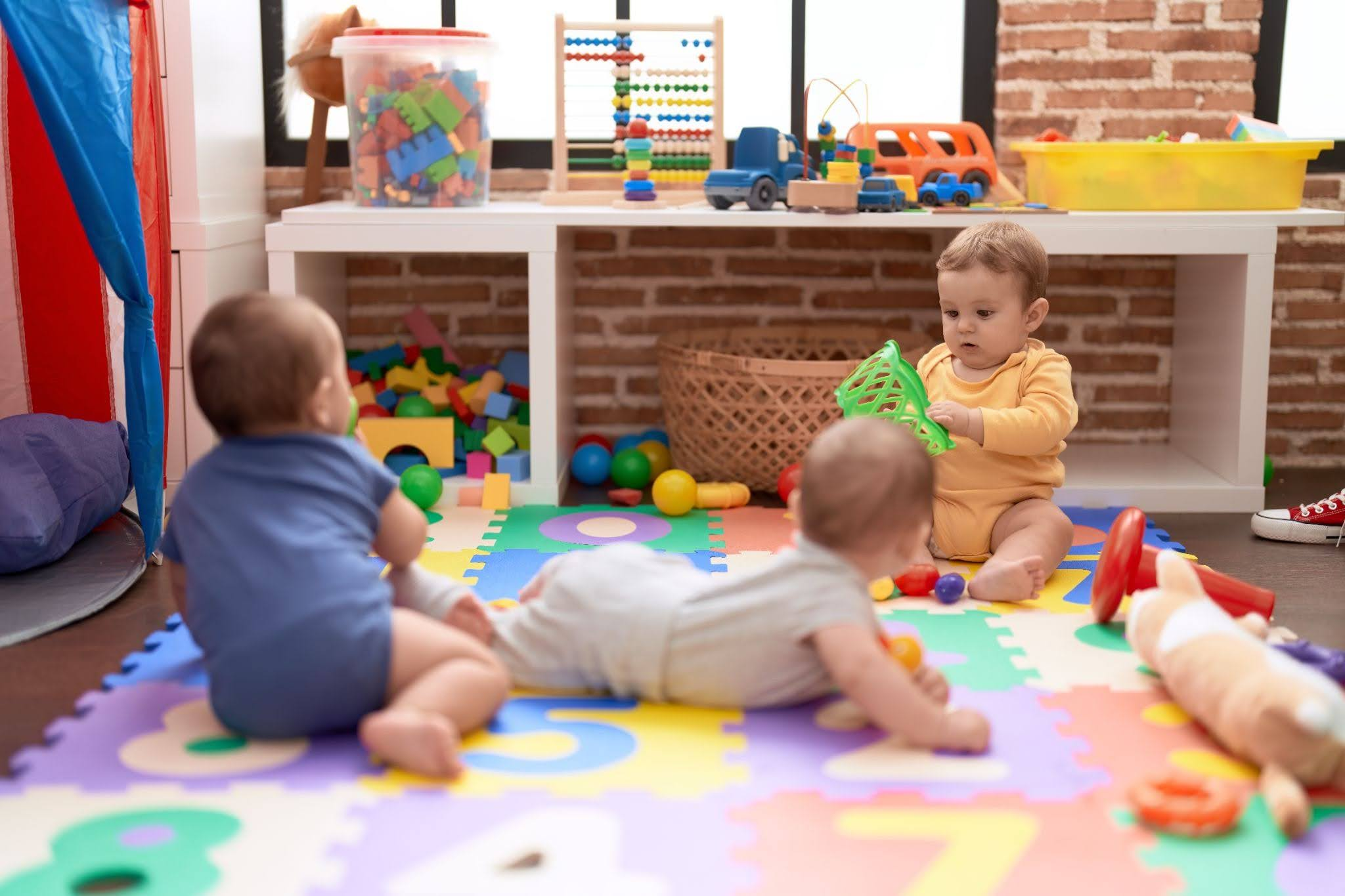
For most parents, finding an infant daycare near you becomes one of the most important decisions in the first year of a child’s life. During this period, the baby is completely dependent on adults: his well-being, emotional state, and development directly depend on how sleep, nutrition, hygiene, and daily care are organized. That is why the choice of an institution cannot be based only on a convenient location or the average cost of services.
A high-quality infant daycare is an environment where the child receives not just supervision, but stable care and constant attention.
Parents are increasingly paying attention not only to beautiful renovations or modern toys, but also to the processes within the institution. How do employees react to a child’s crying? How is sleep organized? Is there communication with parents during the day? Is there an adaptation period? These are the details that build trust in infant child care.
The experience of early childhood development centers such as Little Scholars NYC shows that quality infant daycare is evaluated not only for safety, but also for the consistency of care, the quality of interactions, and the predictability of the daily routine.
Why Infant Care Differs From Standard Child Care
Infant care has its own characteristics. If older children can already independently explain their needs or interact with a group, then babies under one year old communicate through behavior, crying, gestures, and reactions. That is why infant daycare in Brooklyn employees must be able to quickly respond to changes in the child’s condition and understand their needs.
In the first months of life, emotional contact with an adult helps the baby to form a sense of security and adapt faster to the new environment. The calm response of the caregiver, a stable regime, and constant support are of great importance for the child.

Content Why parents worry most before the first infant daycare experienceCommon fears about care, feeding, and bondingWhat changes after the first weeksWhat a typical infant daycare day looks likeArrival, feeding, naps, and quiet transitionsSensory play and early interactionWhich daycare activities support infant developmentMusic, touch, and visual explorationMovement, tummy time, and social engagementWhat parents should look … What Infants Do at Daycare: A Practical Guide for Brooklyn Parents
Physical safety is also critically important because infants actively explore space and contact with objects. That is why in infant daycare, special attention is paid to cleanliness and the safe organization of the room.
In professional early development programs, special attention is paid to emotional contact and quick responses to infants’ needs, as these form a basic sense of security.
Safety Expectations in Infant Daycare
Safety is the main criterion when choosing an infant daycare. Parents need to evaluate not only the room’s overall appearance but also the details that affect the child’s daily life.
Safe Sleep Standards
Sleep takes up a significant part of an infant’s day, so the organization of the sleeping place must meet modern standards. A good learning center uses separate cribs with hard mattresses without unnecessary objects. Pillows, large blankets, or soft toys are not used in the crib.
Workers should regularly check children during sleep, monitor the temperature in the room, and follow the rules for safely placing the child on his or her back.
Controlled Access to the Facility
Parents should pay attention to the access system to the facility. In professional daycare centers, outsiders cannot freely enter the group. Code locks, video surveillance or access control through the administrator are often used. Such measures create an additional level of security and allow parents to feel more relaxed.
Hygiene and Cleanliness
Cleanliness is critical for infants. In groups for toddlers, toys are regularly disinfected, the floor is washed several times a day, and surfaces are treated with safe agents. Separately, it is worth assessing:
- the cleanliness of the changing areas;
- the availability of gloves and antiseptics;
- the organization of bottle storage;
- the ventilation of the room.
High-quality infant care near you always has clear sanitary rules and adheres to them daily.
Parent Anxiety During the First Transition
The first period of adaptation is often difficult not only for the child, but also for the parents. Even if the institution meets all the requirements, anxiety remains. Many families worry about:
- how the child will react to the new environment;
- whether he will be able to fall asleep without his parents;
- how the feeding will be;
- whether the baby will be given enough attention.
Professional infant daycare takes these experiences into account and helps parents gradually adapt to the new stage.

Content Consider Your Child’s AgeLook for Educational ProgramsLocation MattersCheck for Extra ServicesAsk for Recommendations and Visit the Daycare Center Whether you need full-time child’s care while you work or just a few times a week to run errands, finding the right daycare center can be a daunting task. With so many options available, it can … Find the Perfect Daycare Center for Your Infant to Preschooler
Adaptation Process
A smooth transition into a new childcare environment can make a significant difference for both children and parents. Many centers support this process by offering introductory visits, gradual adaptation schedules, opportunities to meet caregivers before the first day, and regular updates during the adjustment period.
These practices help children feel more comfortable in unfamiliar surroundings while giving parents greater confidence and peace of mind.
Daily Communication With Parents
Consistent communication between caregivers and parents plays an important role in a child’s daily experience. Families benefit from receiving updates about their child’s sleep, meals, activities, behavior, and overall well-being throughout the day.
When a childcare program maintains open and transparent communication, parents are better informed about their child’s progress and can build a stronger sense of trust in the care being provided.
What Parents Should Check in the Infant Room
Before signing up for an infant daycare, it is important to carefully inspect the room. This is where the child will spend most of the day.
Room Organization
A well-designed childcare environment should be both safe and easy for children to navigate. Effective programs typically organize the space into dedicated areas for sleeping, meals, play, and sensory exploration, allowing children to move smoothly between different parts of their daily routine.
Clear organization helps create a sense of structure, supports age-appropriate activities, and contributes to a calm and comfortable atmosphere throughout the day.
Feeding Procedures
Feeding in infant child care should be as individual as possible. Each child has their own regimen, and the staff should take it into account. Parents should clarify:
- how bottles are stored;
- who is responsible for feeding;
- whether food is recorded;
- how sterility is maintained.
Clean Play Areas
Babies actively explore the world through touch, so the cleanliness of the play area is very important. Toys should be age-appropriate, free of small parts, and cleaned regularly.
How Caregivers Support Infant Development
Modern infant daycare is not only about care, but also about early development. Even in the first year of life, a child is actively developing basic skills.
Emotional Bonding
Emotional contact with a caregiver helps a child feel secure. When an adult responds quickly to a child’s needs, speaks calmly, and maintains contact, this has a positive effect on development.
Early Communication Skills
Even the youngest children benefit from constant verbal interaction. In quality early learning environments, caregivers speak to children throughout the day, describe what is happening, respond to sounds and gestures, and gently encourage early attempts at communication.
This ongoing interaction naturally supports the development of speech, attention, and early social understanding.
Sensory Exploration
Sensory experiences allow children to discover the world through touch, sound, movement, and visual stimulation. Early childhood education often includes materials and activities such as soft sensory mats, musical toys, and safe objects with different textures that children can explore freely.
These experiences play an important role in early development, as they help build attention span, coordination, and basic cognitive connections that later support more structured learning and understanding.
Daily Routines in Quality Infant Daycare
A consistent daily routine helps young children feel secure and adjust more easily to their environment. In well-organized daycare settings, the day typically includes periods of sleep, feeding, sensory play, calm activities, outdoor walks, and individual interaction with caregivers. This predictable structure gives children a sense of stability, and when they gradually become familiar with the rhythm of the day, it helps reduce stress and supports a smoother adaptation process.
What Parents Should Ask Before Enrollment
Before choosing an infant daycare near you, it is worth asking a few important questions.
Questions About Staff
Parents should find out:
- What experience do the employees have?
- How is the staff trained?
- How many children are per caregiver?
- How does the institution respond to emergencies?

Questions About Policies
Parents need to understand how a childcare center operates on a day-to-day basis. This includes how the program handles illness, what the daily schedule looks like, how communication with families is maintained, and what steps are taken during the adaptation period. Clear answers to these questions help parents feel more confident in their choice and better understand how the center supports both children and families.
Comparing Child Care Options
| Criteria | Home Care | Professional Daycare |
| Safety standards | Depends on the caregiver | Standardized |
| Social interaction | Limited | Regular |
| Daily structure | Flexible | Organized |
| Development support | Basic | Comprehensive |
| Hygiene control | Varies | Systematic |
| Staff training | Individual experience | Professional preparation |
| Communication with parents | Informal | Structured |
| Learning activities | Minimal | Age-appropriate |
This table helps parents assess the difference between home care and professional infant daycare. In specialized centers, the child receives not only basic supervision but also an environment for development and adaptation.
Why Structured Infant Programs Matter
In the first year of life, a child’s brain is actively developing. That is why a quality environment is of great importance even at an early age. Structured programs is important, because:
- a stable daily routine that reduces stress in infants;
- an individual approach to feeding and sleeping;
- constant communication with parents;
- supporting early childhood development through sensory activities;
- professionally trained staff.
A similar approach is implemented in Little Scholars NYC programs, which combine care, development, and structured interaction with the child.
How Infant Care Can Support Early Development
Quality infant care programs focus on creating a safe, structured, and responsive environment during the earliest stages of development. They combine individualized care, predictable routines, and attentive communication to help children adapt comfortably to daycare.
Age-appropriate routines
According to such programs, the daily routine is organized according to the age and needs of each child. Individualized approaches to sleep, feeding, and activities help infants adapt faster and feel calm throughout the day.
Safe and nurturing classrooms
Infant spaces are typically organized to support both safety and comfort. Separate areas for sleep, feeding, and play help maintain a structured and nurturing environment for children.
Conclusion: What to Confirm Before Enrollment
Choosing an infant daycare near you requires a careful approach. Not only is safety important for infants, but also the atmosphere, stability and quality of interaction with adults. A good institution provides:
- a clean and safe environment;
- a structured daily routine;
- professional care;
- constant communication with parents;
- support for early development.
It is the combination of these factors that helps a child adapt comfortably to a new environment and feel calm even without the constant presence of parents.
FAQ
How much is daycare for an infant per week?
The cost depends on the city, program format and number of hours of stay.
What should I pack for daycare for an infant?
Diapers, wipes, bottles, clothes and necessary items for daily care.
What should parents check in an infant room?
Cleanliness, a safe sleeping place, a feeding system and organization of space.
How do I prepare an infant for daycare?
Gradually introduce your child to a new environment and routine.
How can infant daycare support development?
Through a consistent routine, communication, sensory activities, and emotional support.
What makes a quality infant daycare program?
Experienced staff, safe environments, clear processes, and ongoing communication with parents.